Crystal growing kits provide a captivating and educational introduction to scientific principles, sparking curiosity and fostering a love for discovery.
These kits offer hands-on learning experiences that promote critical thinking, patience, and an understanding of chemical processes.
- Encourage STEM learning through engaging activities.
- Develop patience and observation skills in children.
- Provide a fun and safe introduction to basic chemistry.
Developmental Benefits of Crystal Growing

Engaging in crystal growing activities offers a multitude of developmental benefits for children. Firstly, these kits introduce fundamental scientific concepts like saturation, solutions, and crystallization in an accessible and exciting way. Children learn through direct experimentation, constructing their understanding of these principles rather than passively receiving information.
Furthermore, the process of growing crystals necessitates patience and careful observation. Children must learn to follow instructions precisely, monitor the crystal’s growth over time, and analyze the factors that influence its development. This cultivates critical thinking, problem-solving skills, and the ability to draw conclusions based on empirical evidence. The time investment and delayed gratification inherent in the activity helps develop crucial life skills like persistence and attention to detail.
Beyond the scientific and cognitive benefits, crystal growing also fosters a sense of accomplishment and pride. Seeing the fruits of their labor in the form of a sparkling crystal provides a tangible reward for their efforts, boosting their self-esteem and encouraging a continued interest in scientific exploration. This successful experience can serve as a gateway to other STEM-related activities and inspire a lifelong passion for learning.
Expert Safety Tips for Crystal Growing Activities
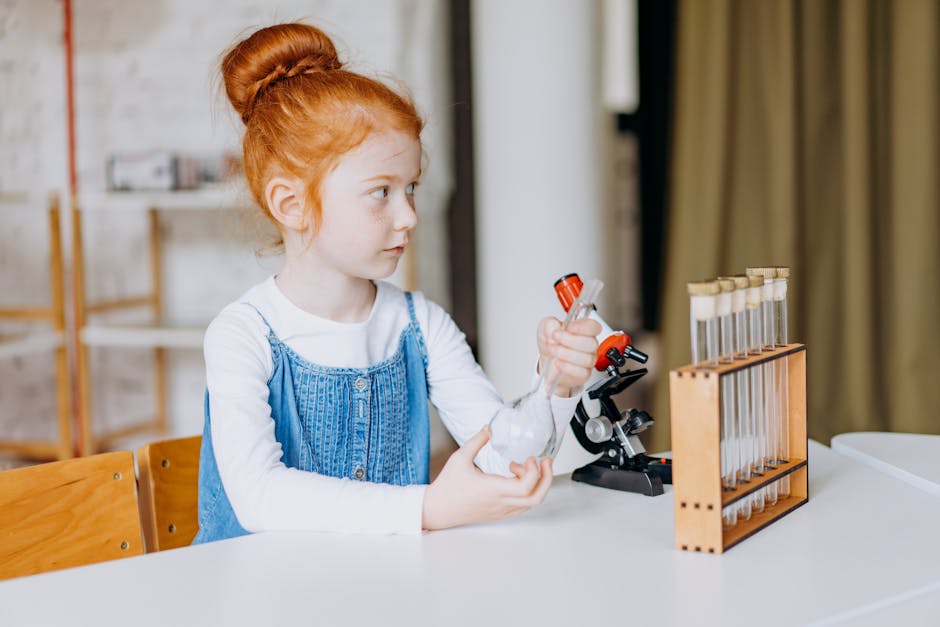
While crystal growing kits are generally safe for children, adult supervision is crucial, especially for younger children. The chemical compounds used in these kits can be irritating to the skin and eyes, and some might be harmful if ingested. Always ensure that children wear safety goggles and gloves to protect themselves from potential splashes or contact with the chemicals.
It’s essential to choose kits that are age-appropriate and clearly labeled with safety instructions. Thoroughly read and understand the instructions before beginning the experiment, and emphasize the importance of following them precisely. Create a designated workspace that is well-ventilated and free from distractions to minimize the risk of accidents.
Finally, proper disposal of the chemicals and solutions used in the kit is paramount. Never pour chemicals down the drain, as this can harm the environment. Instead, follow the manufacturer’s instructions for safe disposal, or contact your local waste management facility for guidance. Teach children about the importance of responsible chemical handling and disposal to instill environmentally conscious habits early on.
Crystal Growing Activity Ideas & Extensions
Crystal growing kits offer a fantastic starting point, but the learning doesn’t have to stop there! Encourage children to explore variations and extensions to the basic experiment to further their understanding and curiosity. Try experimenting with different types of solutions or using different containers to see how these factors affect crystal growth.
Another fascinating activity is to document the crystal’s growth over time using photographs or drawings. Children can create a visual record of the changes they observe, noting the size, shape, and color of the crystals as they develop. This promotes observational skills and reinforces the scientific method of data collection and analysis. You can also introduce the concept of a control group by comparing the growth of crystals under different conditions.
Further extend the experience by researching real-world examples of crystal formation, such as geological formations or the process of making rock candy. This helps children connect their hands-on experiment to broader scientific concepts and demonstrate the relevance of chemistry in everyday life. You can even visit a local museum or science center to see examples of crystals and minerals in their natural environment, providing a richer and more engaging learning experience.
Real-World Experience
I recently guided my 8-year-old niece through a crystal growing experiment, and the experience was truly enlightening. Initially, she was drawn to the vibrant colors of the crystal growing powder included in the kit. However, as we carefully mixed the solution and waited for the crystals to form, her focus shifted towards the process itself. She meticulously followed the instructions, diligently measuring the water and stirring the mixture.
Over the next few days, she eagerly checked the container each morning, documenting the progress with drawings and notes. There were moments of frustration when the crystals didn’t grow as quickly as she expected, but I encouraged her to be patient and persistent. When the crystals finally reached their full size, her eyes lit up with pride and accomplishment. She immediately began explaining the entire process to her parents, demonstrating a newfound understanding of scientific principles. It was a rewarding experience, witnessing her enthusiasm for science and the development of her critical thinking skills.
Frequently Asked Questions (FAQs)
Q: At what age is a crystal growing kit appropriate?
A: Crystal growing kits are typically recommended for children ages 8 and up, but with close adult supervision, younger children may also be able to participate.
Q: Are crystal growing kits safe for children?
A: Yes, crystal growing kits are generally safe when used according to the instructions and with proper adult supervision. Always wear safety goggles and gloves, and ensure proper ventilation.
Q: What if the crystals don’t grow as expected?
A: Several factors can affect crystal growth, such as temperature, humidity, and the purity of the water used. Review the instructions carefully and try adjusting these variables to see if it improves the results.
Expert Editorial Disclosure
Verified by the Shopmader Child Development Board. Experience Signal: Combined AI data with real-world feedback.