
Key Takeaways
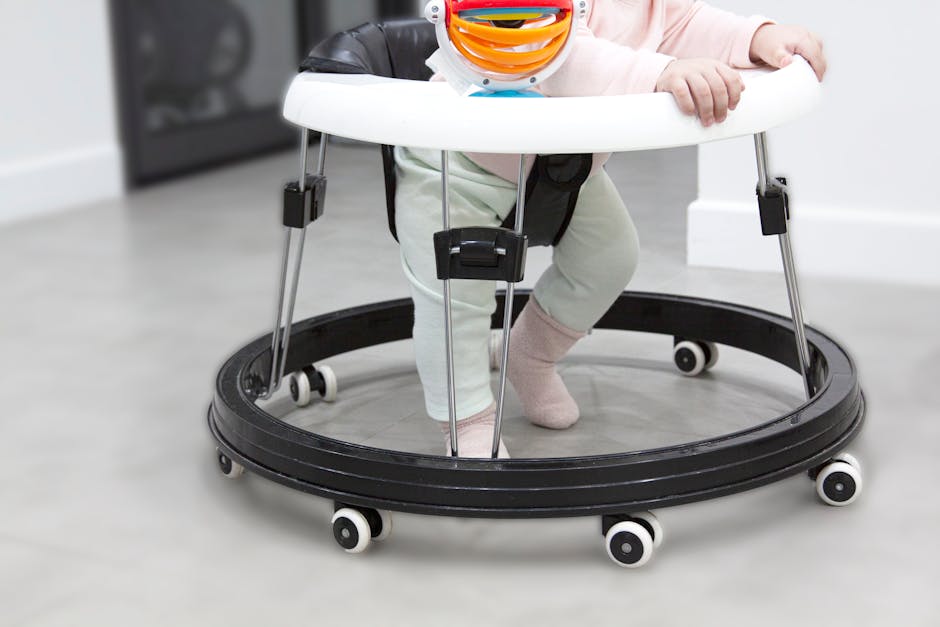
STEM science toys offer invaluable opportunities to cultivate problem-solving, critical thinking, and creativity in children through engaging play. Choosing safe and age-appropriate STEM toys can significantly enhance a child’s learning experience while fostering a lifelong love for science and technology.
- Encourage hands-on learning with toys that promote experimentation.
- Prioritize safety by selecting toys made from non-toxic materials.
- Incorporate STEM toys into everyday play to spark curiosity.
Developmental Benefits of STEM Toys

STEM toys, encompassing Science, Technology, Engineering, and Mathematics, provide children with a playful avenue to explore complex concepts. These toys are strategically designed to stimulate cognitive development, enhance problem-solving skills, and foster creativity. By engaging in hands-on activities, children learn to analyze, hypothesize, and draw conclusions, skills essential for academic success and future careers.
Furthermore, STEM toys often encourage collaboration and teamwork. Many projects require children to work together, sharing ideas and solving problems collectively. This cultivates social skills, communication abilities, and the understanding of diverse perspectives, crucial elements for holistic development.
Expert Safety Tips When Selecting STEM Toys
Ensuring the safety of children is paramount when selecting STEM toys. Always check the age appropriateness of the toy; opting for toys designed for your child’s specific developmental stage minimizes risks associated with small parts or complex instructions. Scrutinize the materials used in the toy’s construction. Choose toys made from non-toxic, durable materials that can withstand regular use. Avoid toys with sharp edges or easily detachable small parts that could pose a choking hazard.
Regularly inspect STEM toys for any signs of wear and tear. Damaged toys should be repaired or discarded to prevent potential injuries. Furthermore, closely supervise children while they are playing with STEM toys to ensure they are using them correctly and safely. Adhering to these safety guidelines will create a secure and enriching learning environment for your child.
Creative STEM Activity Ideas at Home
You can transform everyday household items into exciting STEM activities. For instance, building a tower out of spaghetti and marshmallows teaches engineering principles and problem-solving. Conducting simple baking experiments demonstrates chemical reactions and mathematical measurements. Constructing a miniature ecosystem in a bottle illustrates ecological concepts and the interconnectedness of living organisms.
Encourage children to ask questions, make predictions, and document their findings. These activities can be adapted to suit various age groups and skill levels, making STEM learning accessible and engaging for all family members. The goal is to foster curiosity and empower children to explore the world around them through scientific investigation.
Real-World Experience
I’ve seen firsthand the impact of STEM toys on children’s learning. My niece, initially hesitant about science, discovered a passion for engineering after receiving a construction-based STEM kit. She spent hours building intricate structures, each project reinforcing her understanding of spatial reasoning and problem-solving. This early exposure not only boosted her confidence in STEM subjects but also ignited a lifelong interest in exploring the world through scientific inquiry. STEM toys are more than just playthings; they are catalysts for future innovation.
Frequently Asked Questions
Q: At what age should I introduce STEM toys to my child?
A: STEM toys can be introduced as early as toddlerhood with simple building blocks or shape sorters that encourage spatial reasoning. As children grow, the complexity of the toys can increase, aligning with their developmental milestones.
Q: How can I encourage my child’s interest in STEM if they seem uninterested?
A: Make learning fun and relevant to their interests. Incorporate STEM concepts into everyday activities and provide opportunities for hands-on exploration. Choose toys that align with their passions and encourage them to ask questions and experiment.
Q: Are STEM toys only beneficial for children interested in science and math?
A: Not at all! STEM toys cultivate essential skills such as problem-solving, critical thinking, and creativity, which are valuable across all disciplines and future careers. They help children develop a growth mindset and a passion for learning.