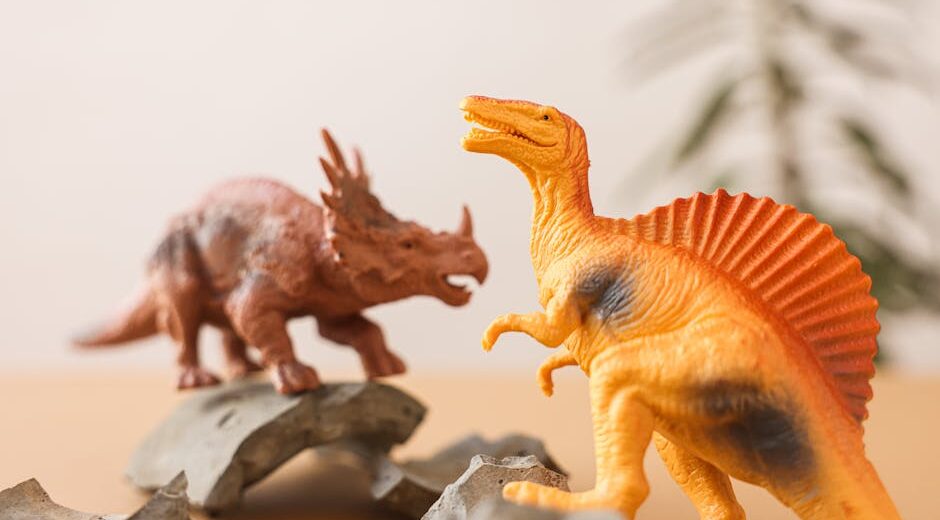
Dinosaur fossil dig kits provide children with hands-on learning experiences that foster curiosity and scientific exploration. These kits can improve cognitive skills while offering a fun, educational activity.
- Engage children in STEM learning.
- Promote patience and problem-solving skills.
- Offer a tangible connection to paleontology.
Developmental Benefits
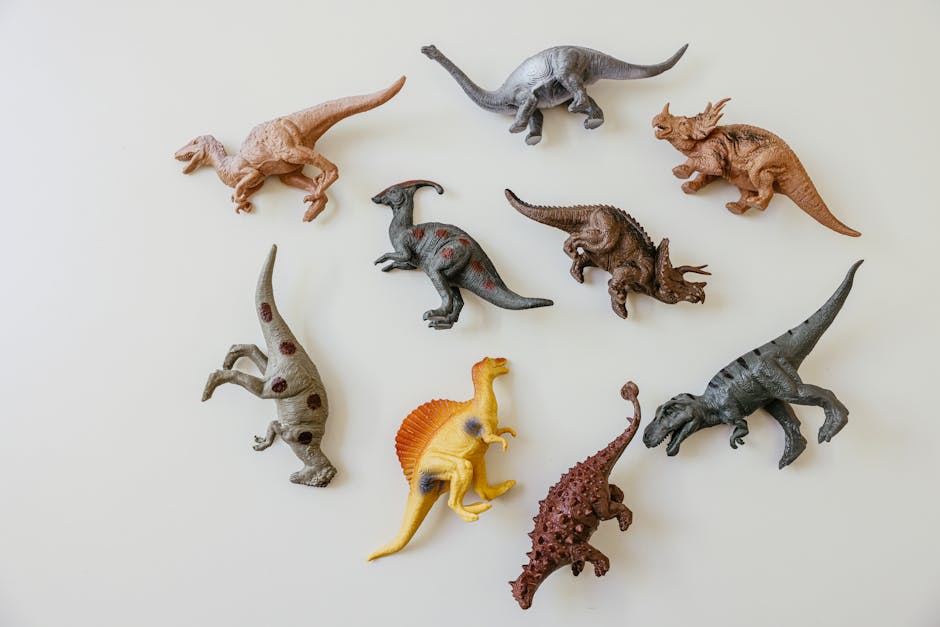
Dinosaur fossil dig kits offer a wealth of developmental benefits for children. These kits encourage scientific thinking by prompting kids to ask questions, formulate hypotheses, and draw conclusions based on their findings. The act of carefully excavating a “fossil” promotes fine motor skills and hand-eye coordination, essential for tasks such as writing and drawing. Furthermore, the sense of accomplishment children feel upon uncovering a fossil boosts their self-esteem and encourages further exploration and learning.
Beyond the physical and cognitive benefits, these kits also foster creativity and imagination. Children can invent stories about the dinosaurs they unearth, creating narratives about their lives and habitats. This imaginative play enhances their language skills and helps them develop a deeper understanding of the prehistoric world. Moreover, these kits can spark an interest in paleontology and other STEM fields, potentially influencing their future academic and career paths. Collaboration with siblings or friends on a dig also promotes teamwork and communication skills.
Expert Safety Tips
While dinosaur fossil dig kits are generally safe, it’s crucial to prioritize safety measures, especially with younger children. Always supervise children during the excavation process, ensuring they use the provided tools appropriately and avoid putting small pieces in their mouths. Choose kits that are specifically designed for the child’s age and developmental stage. Some kits may contain smaller fossil replicas that could pose a choking hazard to toddlers. Regularly inspect the tools for any signs of damage or wear and tear. Replace any broken or worn tools to prevent accidents.
Dust and debris are common byproducts of the excavation process, so it’s advisable to conduct the activity in a well-ventilated area. Protect your child’s eyes by providing them with safety goggles. After completing the dig, ensure thorough handwashing to remove any remaining dust or particles. Store the kit and any unearthed fossils in a safe place, away from extreme temperatures or direct sunlight, to preserve their integrity.
Activity Ideas
To maximize the educational value of dinosaur fossil dig kits, incorporate various activities before, during, and after the excavation. Before starting, engage children in research about the specific dinosaur they are about to unearth. This pre-dig research enhances their understanding of the dinosaur’s characteristics, habitat, and historical significance. While excavating, encourage children to keep a “paleontologist’s journal” to document their findings, including sketches and descriptions of the fossils, akin to field notes.
After the dig, use the unearthed fossils to create a dinosaur diorama or a museum exhibit showcasing their discoveries. Encourage children to present their findings to family members or friends, enhancing their communication and presentation skills. Supplement the dig kit with books, documentaries, and museum visits to further enrich their knowledge of dinosaurs and paleontology. Consider incorporating other STEM activities, such as building a dinosaur skeleton model or creating a volcanic eruption simulation, to broaden their scientific exploration.
Real-World Experience
I’ve personally witnessed the transformative impact of these kits with my own children. Initially drawn in by the novelty of unearthing fossils, they quickly became captivated by the science behind the activity. The painstaking process of carefully chipping away at the plaster to reveal the “bones” fostered immense patience and problem-solving skills. The post-dig excitement of identifying and labeling their finds invariably led to deeper exploration of dinosaur books and documentaries. One kit sparked a passion for paleontology that has influenced my child’s reading choices and even their future academic interests.
Frequently Asked Questions
Q: What age is appropriate for dinosaur fossil dig kits?
A: Most kits are suitable for children ages 6 and up, but always check the manufacturer’s recommendations. Parental supervision is key, especially with younger children who might put small parts in their mouths.
Q: Are dinosaur fossil dig kits messy?
A: Yes, they can be messy. Conduct the dig in a designated area or on a protected surface. Consider using a tray or placing newspaper down to minimize cleanup.
Q: Where can I buy dinosaur fossil dig kits?
A: They are widely available online and at toy stores, hobby shops, and educational supply stores.