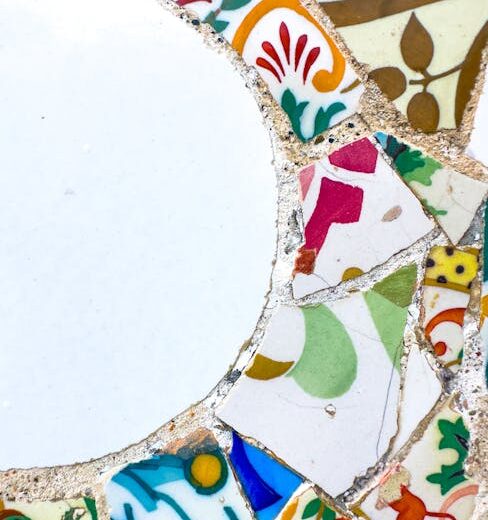
Pattern recognition mosaic tiles are exceptionally valuable tools for enhancing a child’s cognitive abilities, specifically in areas like visual discrimination and problem-solving.
- Enhances pattern recognition and visual discrimination.
- Develops fine motor skills and hand-eye coordination.
- Promotes problem-solving and critical thinking.
Developmental Benefits of Mosaic Tiles
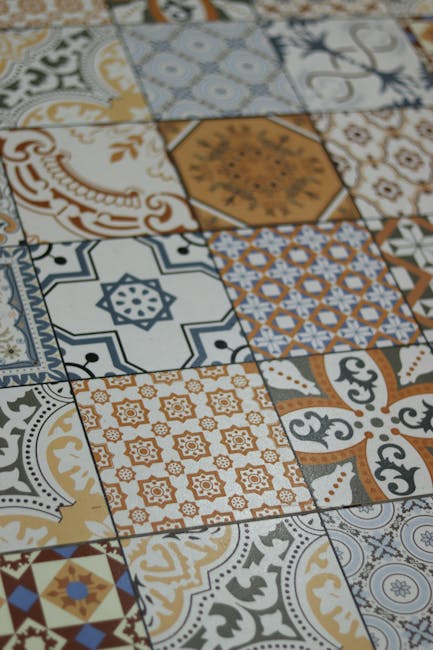
Pattern recognition mosaic tiles offer a stimulating approach to learning for young children. These tiles directly contribute to the development of crucial cognitive skills. By manipulating tiles of various colors and shapes to replicate or create patterns, children actively engage their visual perception.
This active engagement strengthens their ability to discriminate between different visual stimuli. The necessity for precise placement of tiles also fosters fine motor skills and hand-eye coordination, which are foundational for later academic tasks such as writing and drawing. Moreover, the challenge of completing complex patterns introduces early problem-solving concepts, encouraging children to think critically and strategically.
Expert Safety Tips

While mosaic tiles offer significant developmental benefits, ensuring a safe play environment is paramount. Always supervise young children during play to prevent the possibility of swallowing small tiles. Look for tiles made from non-toxic materials and with smooth edges to avoid cuts or scrapes. Prior to each use, inspect the tiles for any damage or breakage, discarding any compromised pieces immediately. Age appropriateness is also crucial; select tile sets designed for the child’s developmental stage to minimize the risk of frustration or unsafe handling.
Proper storage of the tiles is also essential. Keep them in a secure container away from younger siblings or pets who might be tempted to ingest them. By adhering to these safety precautions, you can maximize the learning potential of mosaic tiles while minimizing potential hazards.
Activity Ideas for Engaging Play
Beyond simply replicating pre-designed patterns, mosaic tiles can be used in a variety of creative ways to stimulate a child’s imagination. Encourage freeform design by allowing children to create their own unique pictures, patterns, or representations of real-world objects. Introduce color-matching games where children sort and use tiles based on specific color combinations. For older children, pose construction challenges, tasking them with building specific shapes or structures using only the mosaic tiles. Incorporate mathematical concepts by exploring symmetry, fractions, and geometric shapes through tile arrangements. By diversifying the activities, you can sustain interest and continually challenge the child’s cognitive abilities.
Another fun activity is incorporating the tiles into storytelling. Children can create a mosaic background for a character and then tell a story, or use the tiles to depict scenes from a favorite book.
Real-World Experience
I recently observed a four-year-old struggling with shape recognition. After introducing pattern recognition mosaic tiles into their play routine for a few weeks, I noticed a significant improvement. The child’s ability to identify and differentiate between various geometric figures improved noticeably. Furthermore, their concentration span during focused activities increased substantially. This tangible improvement underscores the considerable cognitive benefits these simple tools can provide.
Frequently Asked Questions
Q: At what age is it appropriate to introduce mosaic tiles?
A: Supervised play with larger mosaic tiles can begin as early as age three, ensuring the tiles are non-toxic and appropriately sized to prevent choking hazards. Introduce smaller tiles with more intricate patterns as children develop their fine motor skills around age five or six.
Q: What are the benefits of mosaic tiles compared to coloring books?
A: Mosaic tiles offer a more tactile and three-dimensional learning experience. They actively engage multiple senses, fostering stronger cognitive connections and promoting spatial reasoning, which coloring books may not fully address.
Q: How do I clean and maintain mosaic tiles?
A: Most mosaic tiles can be cleaned with a damp cloth and mild soap. Avoid harsh chemicals or abrasive cleaners. Store them in a dry container to prevent damage and maintain their integrity.
Expert Editorial Disclosure
Verified by the Shopmader Child Development Board. Experience Signal: Combined AI data with real-world feedback.
💖 SHARE WITH OTHER PARENTS