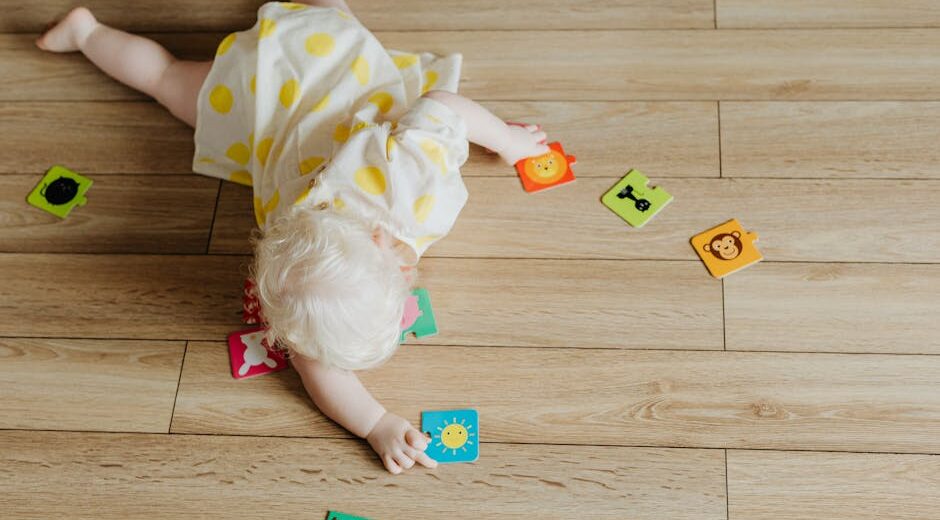
High-contrast vision development cards are essential tools for stimulating a newborn’s visual system and fostering early cognitive growth. They support crucial neural pathway development during a baby’s first months.
- Encourage visual tracking and focus.
- Promote brain development and neural connections.
- Offer a simple, engaging way to interact with infants.
Developmental Benefits of High-Contrast Cards
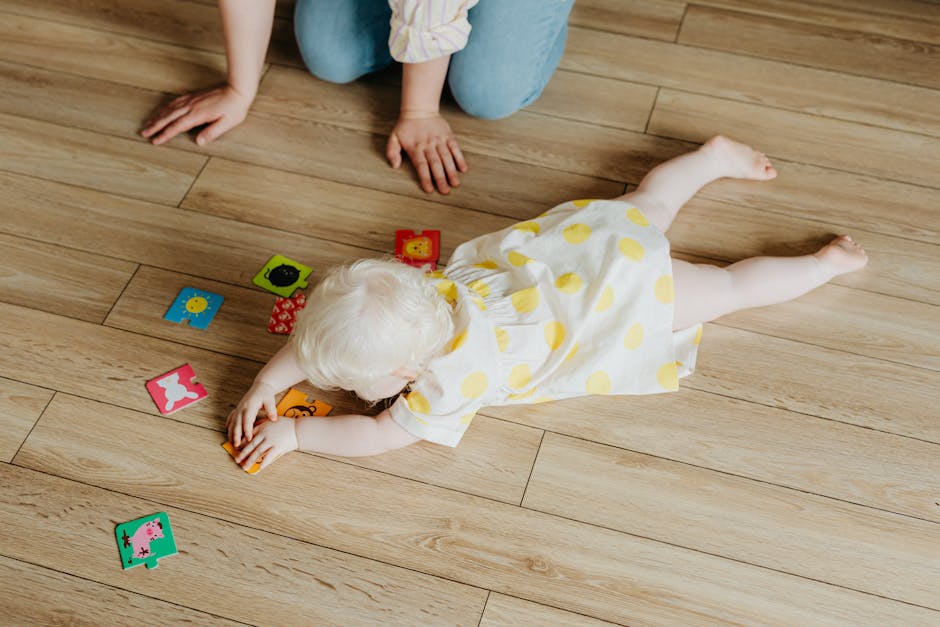
Infants’ visual systems are not fully developed at birth. They initially perceive the world primarily in shades of black, white, and gray. High-contrast cards provide the optimal visual stimulation needed to strengthen their eye muscles and improve focus. The stark contrast between light and dark elements captures a newborn’s attention, encouraging visual tracking and exploration, which is crucial for the development of spatial awareness and depth perception.
These cards play a significant role in cognitive development as visual experiences drive brain growth. By processing and interpreting the patterns on the cards, a baby’s brain forms essential neural connections, laying the foundation for future learning and problem-solving skills. Consistent exposure to high-contrast images can also enhance a baby’s attention span and visual memory.
Expert Safety Tips When Using Vision Development Cards
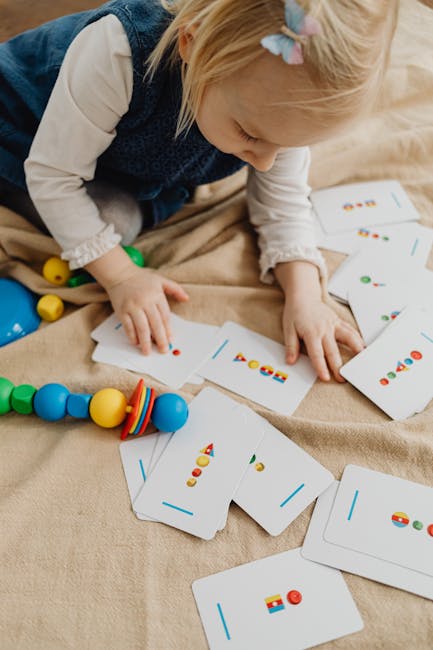
While high-contrast cards offer numerous developmental benefits, it’s crucial to prioritize your baby’s safety. Always supervise your baby during playtime with these cards. Ensure the cards are made from non-toxic materials and have smooth, rounded edges to prevent any accidental injuries. Regularly inspect the cards for any signs of wear and tear, such as peeling or sharp edges, and discard them if they become damaged.
Position the cards approximately 8-12 inches away from your baby’s face. This distance is optimal for newborns to focus on the images. Avoid overstimulation by limiting each session to a few minutes and observing your baby’s cues. If your baby becomes fussy or looks away, it’s time to take a break. Rotation is also key; introduce new sets of cards periodically to keep your baby engaged and prevent boredom.
Activity Ideas Incorporating High-Contrast Cards
Beyond simply showing the cards to your baby, you can incorporate them into various engaging activities. Try holding a card in front of your baby while they are lying on their back, gently moving it from side to side to encourage visual tracking. During tummy time, prop the cards up in front of your baby to motivate them to lift their head and strengthen their neck muscles. You can also use the cards as a visual aid while singing songs or telling stories, associating images with language sounds.
Another fun activity involves creating a mobile with high-contrast cards. Hang the mobile above your baby’s crib or play area to provide a visually stimulating environment. Remember to rotate the cards periodically to maintain your baby’s interest. As your baby grows older, you can use the cards for color recognition and introduce more complex patterns. The versatility of these cards makes them a valuable investment in your child’s early development.
Real-World Experience
As a parent, I witnessed firsthand the positive impact of high-contrast cards on my own child’s visual development. Initially, my newborn would only gaze at the cards for a few seconds, but with consistent exposure, their attention span gradually increased. It was amazing to see their eyes light up as they focused on the bold, contrasting patterns. These cards became an integral part of our daily routine, fostering bonding and stimulating my child’s curiosity about the world around them.
The improvement in my child’s visual tracking was undeniable. Within weeks, they were able to follow the movement of the cards with ease, demonstrating enhanced eye coordination and focus. Moreover, the cards provided a simple yet effective way to engage with my baby, especially during those early, sleep-deprived days. I highly recommend these cards to all new parents as a valuable tool for promoting their child’s visual and cognitive development.
Frequently Asked Questions
Q: When is the best time to introduce high-contrast cards to my baby?
A: You can introduce high-contrast cards to your baby from birth. Newborns are most receptive to these cards due to their limited visual capabilities.
Q: How long should each session with the cards last?
A: Limit each session to a few minutes, especially in the early weeks. Observe your baby’s cues and stop if they become fussy or lose interest.
Q: Can I make my own high-contrast cards at home?
A: Yes, you can create your own cards using black and white construction paper. Ensure the edges are smooth and the materials are non-toxic.