Key Takeaways
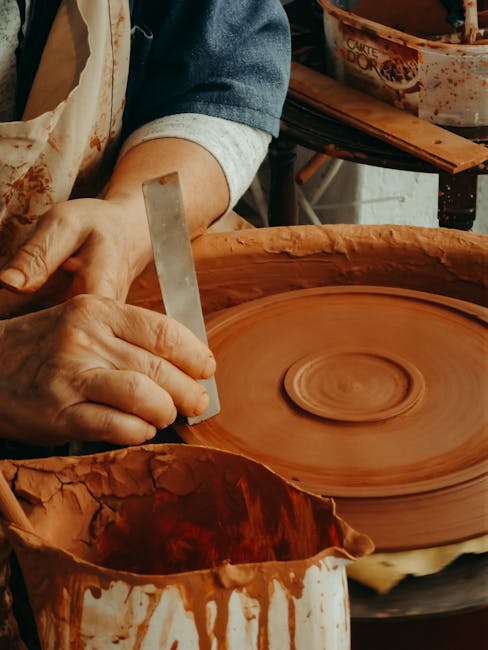
Pottery wheels offer children a unique opportunity to develop fine motor skills, creativity, and patience. When introduced with proper supervision and age-appropriate techniques, they can be a valuable tool for artistic exploration.
- Encourages creativity and problem-solving skills.
- Enhances fine motor skills and hand-eye coordination.
- Provides a therapeutic and engaging sensory experience.
Developmental Benefits
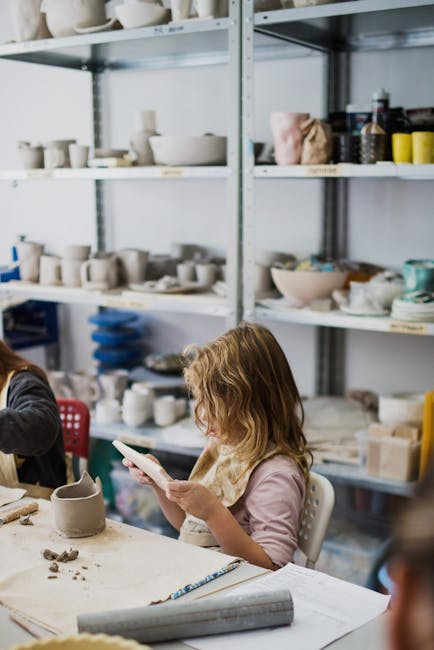
Introducing children to pottery wheels provides numerous developmental advantages. Working with clay demands significant focus and control, leading to enhanced fine motor skills, hand-eye coordination, and spatial reasoning. The tactile nature of clay and the wheel offers a calming, sensory experience that can reduce stress and improve concentration. The process of transforming a lump of clay into a finished piece fosters creativity and problem-solving abilities as children experiment with different shapes and techniques.
Furthermore, completing a pottery project promotes a sense of accomplishment and pride, boosting self-esteem and confidence. Learning to center the clay and control the wheel requires patience and perseverance, valuable life skills that extend beyond the art studio. Even failures become learning opportunities, teaching resilience and the importance of practice.
Expert Safety Tips
Safety is paramount when introducing children to pottery wheels. Always supervise children closely, especially when they are first learning. Ensure the pottery wheel is placed on a stable, non-slip surface and that the surrounding area is clear of obstructions. Consider using a splash pan to contain water and clay, making cleanup easier and preventing slips. Aprons and old clothes are a must to protect clothing from clay stains.
Start with small amounts of clay suitable for children’s hand strength. Limit session times to prevent fatigue and potential strain. Emphasize the importance of keeping fingers and hands out of the wheel’s moving parts. Teach children how to properly clean the wheel and their hands after use to maintain hygiene and prevent clay build-up. For younger children, consider using a slow speed setting or a hand-powered wheel until they develop better control.
Activity Ideas
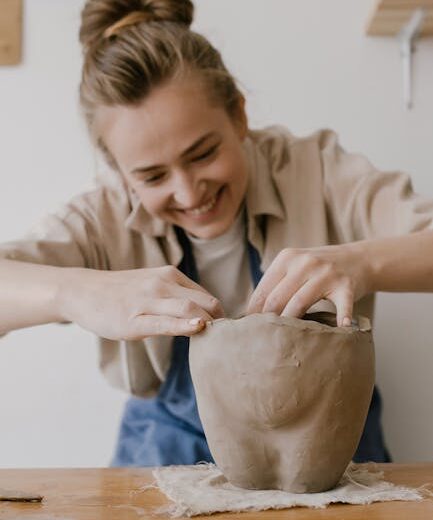
Begin with simple projects like pinch pots or small bowls. These introductory activities help children understand the basic principles of working with clay on a wheel without the pressure of creating complex forms. Demonstrate how to center the clay, using clear and concise instructions. Encourage experimentation and creativity by allowing children to decorate their finished pieces with paints, glazes, or other embellishments.
As children gain confidence and skill, introduce more challenging projects like cylinders or plates. Provide visual aids and demonstrations to guide them through the process. Consider incorporating themes or prompts to spark their imagination, such as creating animal figurines or miniature landscapes. Remember to focus on the process rather than the final product, celebrating effort and creativity above perfection.
Real-World Experience
My daughter, initially hesitant, found immense joy in shaping clay on the pottery wheel. What started as a messy, uneven lump gradually transformed into a charming, albeit imperfect, little vase. The focused concentration on her face, the sense of accomplishment in her eyes–these are moments a parent treasures. More than just a craft, it was a lesson in patience, problem-solving, and the beauty of creating something tangible from scratch.
FAQs
Q: What age is appropriate for a child to start using a pottery wheel?
A: Typically, children ages 6 and up can begin learning with close supervision and a child-friendly pottery wheel. However, readiness varies by child, so consider their fine motor skills and attention span.
Q: What type of clay is best for children?
A: Air-dry clay or low-fire clay safe for children are good options. They are easier to work with and require minimal firing expertise.
Q: How do I clean up after a pottery session?
A: Wipe down the pottery wheel immediately after use. Use water and sponges to clean up clay residue. Avoid pouring clay-filled water down the drain; instead, let the clay settle and dispose of the solid waste properly.
Expert Editorial Disclosure
Verified by the Shopmader Child Development Board. Experience Signal: Combined AI data with real-world feedback.