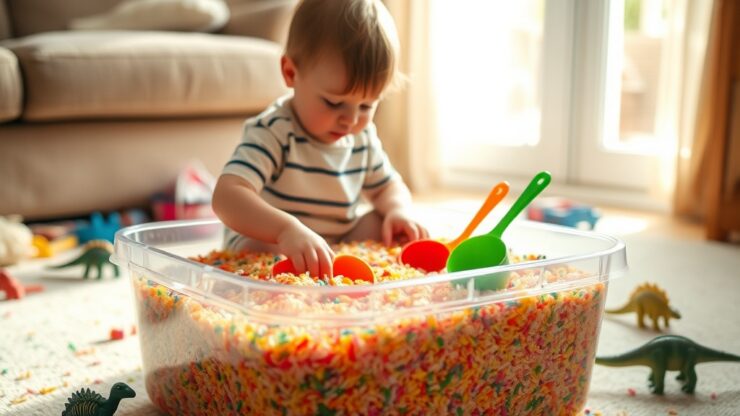
Selecting Montessori-aligned gifts for a 2-year-old can greatly support their development by fostering independence and exploration. Prioritize items that encourage hands-on learning, practical life skills, and creative problem-solving to nurture their natural curiosity.
- Focus on open-ended toys that permit imaginative play.
- Choose real, child-sized tools for safe exploration.
- Ensure materials are non-toxic and durable.
Developmental Benefits of Montessori Toys at Age 2
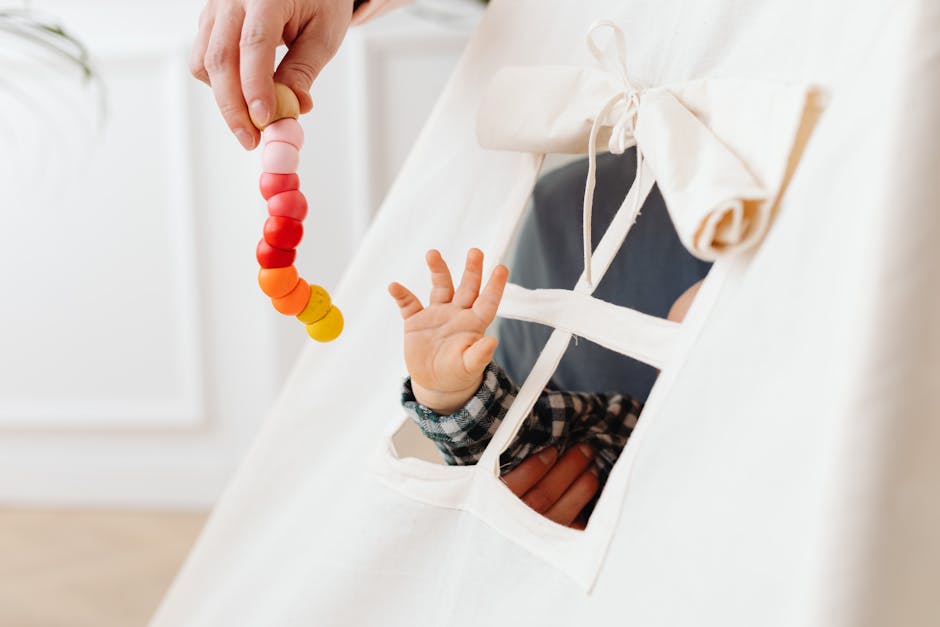
The toddler years are a crucial period for developing fine motor skills, language acquisition, and social-emotional intelligence. Montessori toys provide a unique avenue for fostering these skills through self-directed activities. For instance, puzzles and stacking toys enhance spatial reasoning and hand-eye coordination, while practical life tools like small brooms or watering cans encourage a sense of responsibility and independence.
At this age, children are increasingly interested in mimicking the actions of adults. Montessori materials cater to this interest by providing opportunities for them to engage in purposeful activities, such as pouring, sorting, and scooping. These tasks not only refine their motor skills but also build concentration and a sense of accomplishment. The emphasis on natural materials, such as wood and cotton, also connects them to the natural world, promoting sensory exploration and appreciation for the environment.
Expert Safety Tips for Selecting Montessori Toys

Safety should always be the top priority when choosing toys for a 2-year-old. Avoid toys with small parts that could pose a choking hazard. Ensure that all materials are non-toxic and free from harmful chemicals like BPA and phthalates. Check for sharp edges or splinters, particularly on wooden toys, and opt for durable, well-constructed items that can withstand the demands of active play.
When introducing new toys, supervise your child’s play to ensure they are using the materials appropriately and safely. Regularly inspect toys for wear and tear, and discard any damaged items. Also, be mindful of the noise level of toys, as excessive noise can be overstimulating for young children. Consider incorporating toys with adjustable volume or selecting quieter options.
Montessori-Inspired Activity Ideas for Two-Year-Olds
Montessori principles emphasize creating a prepared environment where children can freely explore and learn. Set up designated areas for different types of activities, such as a sensory station with various textures and materials, a practical life area with child-sized tools for cleaning and food preparation, and a creative space with art supplies. Encourage your child to choose their activities and allow them to work at their own pace.
Some specific activity ideas include sorting objects by color or shape, pouring water from one container to another, using tongs to transfer beads or pom-poms, and assembling simple puzzles. Introduce age-appropriate art projects like finger painting or drawing with crayons. Remember to focus on the process rather than the product, and allow your child to express their creativity freely.
Real-World Experience
I introduced a simple set of wooden stacking rings to my niece when she was two. Initially, she enjoyed banging them together, exploring the different sizes and textures. Over time, she began to experiment with stacking them, first randomly, then eventually by size. What fascinated me was her unwavering focus and the sense of accomplishment she exuded each time she successfully arranged the rings. It highlighted the power of simple, well-designed toys to engage and challenge young minds in a meaningful way.
Frequently Asked Questions
Q: What makes a toy “Montessori”?
A: Montessori toys are designed to encourage independence, hands-on learning, and self-directed activity. They often feature natural materials, simple designs, and real-world applications.
Q: Are Montessori toys expensive?
A: While some Montessori materials can be pricey, affordable options are available. Focus on quality over quantity, and consider incorporating everyday household items into your child’s learning environment.
Q: How do I introduce a new Montessori toy to my child?
A: Present the toy in a calm and inviting manner. Demonstrate its intended use, then allow your child to explore it independently. Avoid correcting or interfering unless they are struggling or need assistance.
Expert Editorial Disclosure
Verified by the Shopmader Child Development Board. Experience Signal: Combined AI data with real-world feedback.