Key Takeaways

Indoor ball pits can be valuable tools for sensory integration, providing proprioceptive and tactile input that aids in self-regulation and motor skill development. However, safety is paramount; diligent supervision and maintenance are crucial to preventing injuries and ensuring a hygienic play environment.
- Promote sensory exploration and integration.
- Offer a calming and regulating environment for children.
- Require strict adherence to safety guidelines and hygiene practices.
Developmental Benefits of Indoor Ball Pits
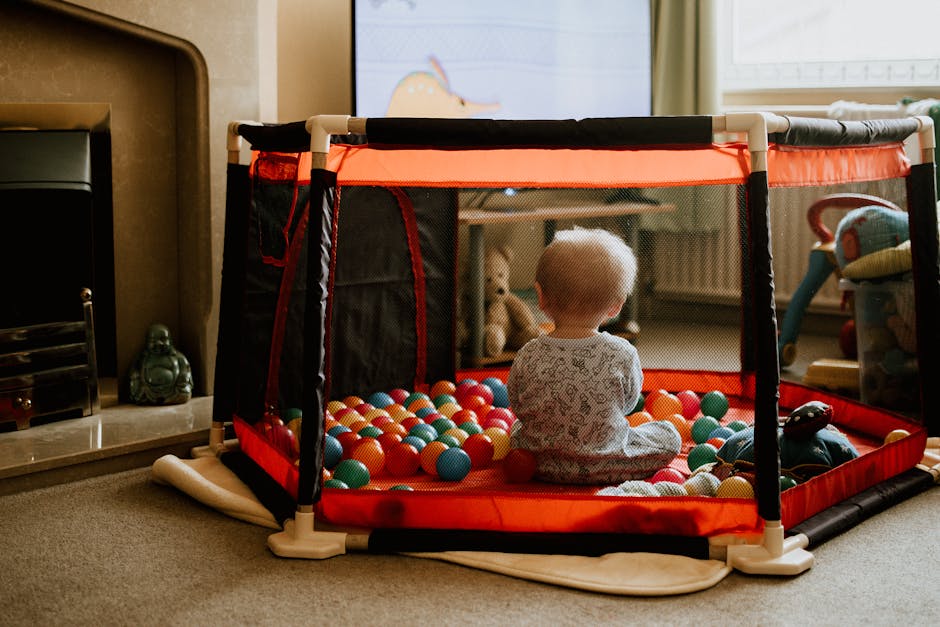
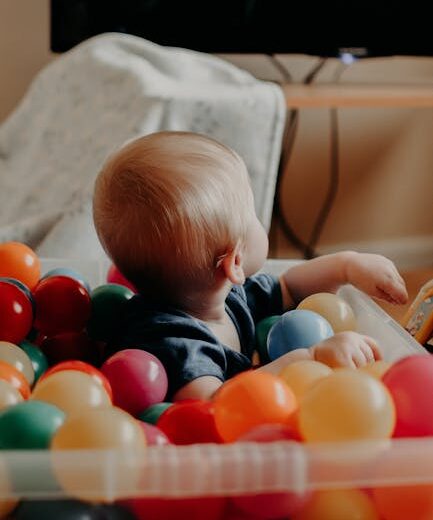
Indoor ball pits offer a multisensory environment that can significantly contribute to a child’s development. The tactile input from the numerous balls stimulates the sensory system, which is particularly beneficial for children with sensory processing disorders. The pressure and weight of the balls provide proprioceptive feedback, helping children understand their body’s position in space. This enhanced body awareness can improve motor skills, coordination, and balance.
Furthermore, the playful and immersive nature of a ball pit can encourage social interaction and emotional regulation. Children learn to navigate the space, interact with peers, and manage their emotions within a stimulating yet contained environment. Ball pits can also serve as a calming tool, offering a safe and engaging space for children to self-regulate and reduce anxiety or overstimulation.
Expert Safety Tips for Indoor Ball Pits
While ball pits offer numerous developmental benefits, safety must be the utmost priority. Regular cleaning is essential to prevent the spread of germs and bacteria. Balls should be disinfected frequently, and the pit itself should be thoroughly cleaned regularly. Choose ball pits made from non-toxic, durable materials. Ensure balls are appropriately sized to minimize choking hazards, especially for younger children.
Active supervision is crucial. Never leave children unattended in a ball pit. Limit the number of children playing at one time to prevent overcrowding and accidental collisions. Establish clear rules, such as no diving or throwing balls outside the pit, to minimize the risk of injury. Regularly inspect the ball pit for any damage or wear and tear, promptly repairing or replacing any compromised components.
Real-World Experience
As a pediatric occupational therapist I have witnessed firsthand the positive impact of ball pits on children with sensory sensitivities. For example, a child with autism often uses the ball pit as a “safe space” during therapy sessions. The deep pressure provided by the balls helps them regulate their sensory input and reduce anxiety, allowing them to participate more effectively in other therapeutic activities. However, I always emphasize the importance of safety and hygiene to parents and caregivers to ensure a positive and beneficial experience.
Activity Ideas for Sensory Integration
Integrate specific activities to maximize the sensory benefits. Hide small, textured objects within the balls and have children search for them, promoting tactile discrimination. Play games that involve throwing balls at a target, enhancing hand-eye coordination and motor planning. Use the ball pit as an opportunity to practice counting, color recognition, or letter identification, turning playtime into a learning experience. Encourage children to create stories or imaginative scenarios within the ball pit, fostering creativity and language development.
Introduce variations in the sensory input by adding items with different textures, such as soft plush toys or smooth wooden blocks. Observe children’s responses to different stimuli and adjust the environment accordingly to meet their individual sensory needs. Collaborate with a therapist or early childhood educator to develop customized activities that address specific developmental goals.
Frequently Asked Questions (FAQs)
1. At what age is a ball pit appropriate for a child?
Generally, ball pits are suitable for children aged 12 months and older, but it depends on the child’s developmental stage and ability to sit up independently and hold their head steady. Always supervise young children closely.
2. How often should I clean an indoor ball pit?
Balls should be disinfected at least weekly, and the ball pit itself should be cleaned thoroughly monthly at a minimum, but ideally more frequently depending on usage and visible dirt.
3. What are the signs that a child is overstimulated in a ball pit?
Signs of overstimulation include increased agitation, irritability, withdrawal, covering ears or eyes, or difficulty focusing. If a child exhibits these signs, remove them from the ball pit and provide a calming environment.
Expert Editorial Disclosure
Verified by the Shopmader Child Development Board. Experience Signal: Combined AI data with real-world feedback.