Key Takeaways
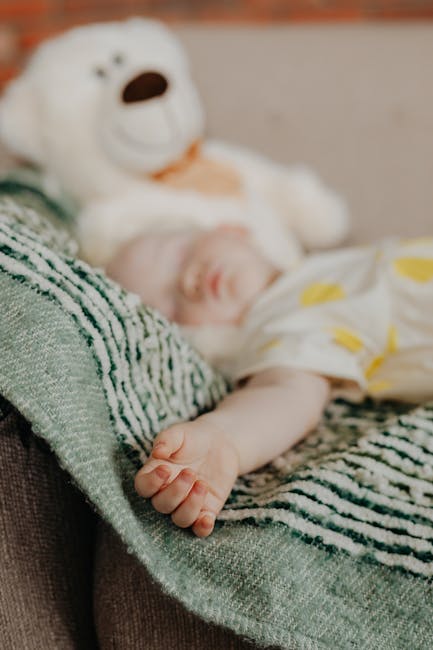
Plush sleep aids with white noise can be valuable tools for promoting infant and toddler sleep, providing consistent auditory cues and comforting tactile sensations. However, responsible use, considering volume levels and proximity, is paramount for ensuring your child’s safety and well-being.
- Consistent white noise can aid in establishing a predictable sleep routine.
- Soft plush materials offer tactile comfort and security.
- Monitor volume and placement to safeguard hearing and prevent suffocation risks.
Developmental Benefits of Plush Sleep Aids with White Noise
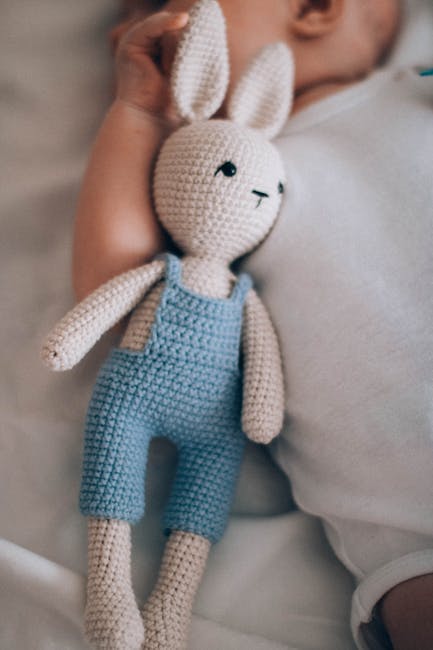
The first few years of a child’s life are crucial for neurological development, and sleep plays a vital role. Plush sleep aids with integrated white noise offer a multi-sensory approach to fostering better sleep habits. The consistent ambient sound of white noise mimics the sounds of the womb, providing a familiar and comforting auditory environment for newborns. This can help to mask sudden, disruptive noises from the surrounding environment, leading to longer and more restful sleep periods.
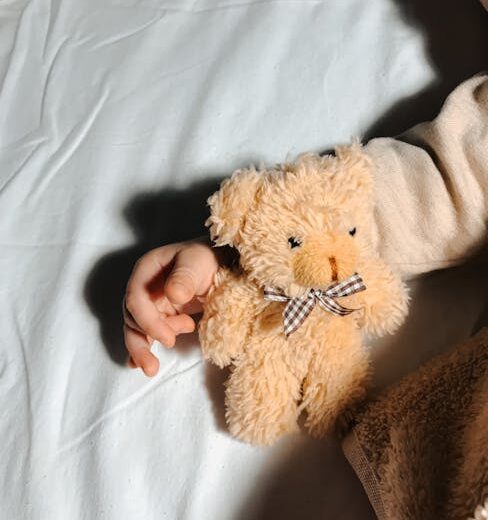
Furthermore, the soft, cuddly texture of the plush toy provides tactile stimulation and a sense of security. This can be particularly beneficial for children who experience separation anxiety or have difficulty self-soothing. The combination of auditory and tactile comfort can create a positive sleep association, helping children to fall asleep more easily and stay asleep longer.
Expert Safety Tips for Using Plush Sleep Aids
While plush sleep aids with white noise can be beneficial, it’s essential to prioritize safety. First and foremost, always adhere to the manufacturer’s age recommendations and usage guidelines. For infants under 12 months, the plush toy should be placed outside of the crib to minimize the risk of suffocation. The white noise component should be positioned at a safe distance from the baby’s ears and the volume should be set at a low level – ideally, below 50 decibels.
Regularly inspect the plush toy for any loose parts, tears, or damage that could pose a choking hazard. Clean the toy frequently according to the manufacturer’s instructions to prevent the build-up of dust and allergens. Avoid using plush toys with small, detachable accessories such as buttons or ribbons, as these can be easily ingested by young children.
Finally, be mindful of your child’s individual needs and preferences. Some children may find white noise soothing, while others may prefer silence or other types of ambient sounds. Observe your child closely and adjust the settings of the sleep aid accordingly.
Activity Ideas Involving Plush Sleep Aids
Plush sleep aids can be incorporated into daytime activities as well, not just bedtime routines. During playtime, use the plush toy to demonstrate animal sounds or simple songs. Engage your child’s imagination by creating stories featuring the plush character as the protagonist. This helps foster language development and creative thinking.
During quiet time, the plush toy can serve as a comforting companion. Encourage your child to cuddle with the toy while reading a book or listening to calming music. This can help to create a sense of calm and relaxation, preparing your child for naptime or bedtime.
Real-World Experience
As a parent of two young children, I’ve personally experienced the benefits of using plush sleep aids with white noise. With my first child, nighttime was a constant struggle. After introducing a soft, plush owl that played gentle white noise, his sleep patterns improved dramatically. The consistent sound helped to block out household noises and create a more peaceful sleep environment. With my second child, the plush toy became a cherished comfort object, helping her to self-soothe during times of stress or anxiety. However, it’s extremely important to monitor the noise volume. As a family, we’ve now had excellent experiences with these toys, helping us all sleep better.
Frequently Asked Questions
Q: At what age is it safe to introduce a plush sleep aid with white noise?
A: Consult the manufacturer’s guidelines, but generally, the plush toy should be kept out of the crib for infants under 12 months to minimize suffocation risk. The white noise feature can be used from birth, provided it’s at a safe distance and volume.
Q: How loud should the white noise be?
A: The noise level should be below 50 decibels to protect your child’s hearing. Use a decibel meter app to measure the sound level from the baby’s perspective.
Q: How often should I clean the plush toy?
A: Clean the toy regularly, ideally once a week, or more frequently if visibly soiled. Follow the manufacturer’s cleaning instructions to avoid damaging the toy or affecting the white noise mechanism.
Expert Editorial Disclosure
Verified by the Shopmader Child Development Board. Experience Signal: Combined AI data with real-world feedback.