
Key Takeaways

Nature exploration kits are excellent tools for fostering curiosity and scientific thinking in young children. These kits provide structured opportunities for hands-on learning, encouraging a deeper appreciation for the natural world.
- Encourage curiosity and scientific thinking.
- Provide hands-on learning opportunities.
- Promote a deeper appreciation for nature.
Developmental Benefits of Nature Exploration
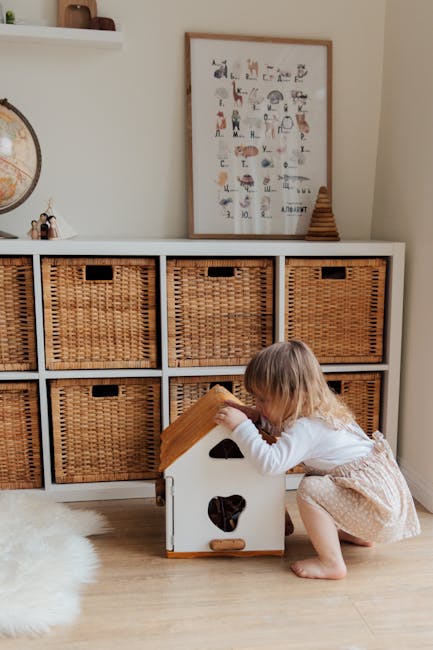
Engaging with nature through dedicated exploration kits provides a wealth of developmental benefits for young children. These kits often spark an innate curiosity, prompting children to ask questions and seek answers about the world around them. This inquisitive nature forms the bedrock of scientific thinking, encouraging children to observe, hypothesize, and experiment, essential skills for future scientific endeavors.
Furthermore, nature exploration promotes cognitive development. Simple activities like identifying plants, classifying insects, or measuring rainfall help children develop critical thinking, problem-solving, and analytical skills. These activities also enhance memory and attention span as children learn to differentiate between various elements in their environment.
Beyond cognitive benefits, exploring nature contributes significantly to a child’s emotional and social development. Spending time outdoors reduces stress, improves mood, and fosters a sense of wonder and awe. Collaborative activities within a kit’s suggested experiments also promote teamwork, communication, and empathy as children work together to achieve a common goal.
Expert Safety Tips for Nature Exploration
Safety should always be a top priority when children are exploring nature, especially when using exploration kits. Parents and caregivers must carefully review the kit’s contents and instructions to ensure age-appropriateness and proper usage of tools.
Always supervise children during nature exploration activities, particularly when sharp objects or potentially harmful plants are involved. Teach children about poisonous plants and insects in your local area. Ensure that the kit materials are non-toxic and durable to withstand outdoor use. Consider providing additional safety gear, such as gloves and safety goggles, depending on the specific activities planned.
Establish clear boundaries for exploration to prevent children from wandering off or encountering hazardous areas. Provide a first-aid kit and know how to use it for minor injuries. Finally, encourage children to wash their hands thoroughly after each exploration session to prevent the spread of germs and potential exposure to allergens.
Activity Ideas Using Nature Exploration Kits
Nature exploration kits offer a wide range of activity possibilities, catering to different age groups and interests. For younger children, kits might include magnifying glasses, bug viewers, and simple identification charts, allowing them to closely examine insects, leaves, and flowers. Activities might involve collecting different types of leaves and creating a leaf rubbing collection or observing ants building their colonies.
Older children can benefit from kits that include tools for more in-depth investigations. These kits might include soil testing kits, weather monitoring instruments, or tools for building birdhouses. Activities could involve testing the pH levels of different soils, tracking the weather patterns in your area, or dissecting owl pellets to learn about their diet.
Regardless of the kit’s specific features, encourage children to document their observations and findings in a nature journal. This practice not only reinforces their learning but also helps them develop scientific writing and communication skills. Make it fun with drawing and creative writing to accompany their scientific findings.
Real-World Experience
My son, initially glued to his tablet, was transformed after receiving a nature exploration kit. He spent hours in the backyard, fascinated by earthworms and ladybugs. He meticulously documented his observations in a notebook, sketching and labeling each creature. This experience ignited a genuine interest in science that extended beyond the confines of the kit. He started asking broader questions about ecology and conservation. It was a transformative experience, proving the power of hands-on learning in the natural world.
Frequently Asked Questions (FAQs)
Q: What age range are nature exploration kits suitable for?
A: Nature exploration kits are available for a wide range of ages, typically from preschool to early adolescence. It’s crucial to select a kit that aligns with the child’s developmental stage and interests to ensure maximum engagement and learning.
Q: Are nature exploration kits only for educational purposes?
A: While nature exploration kits undoubtedly provide educational benefits, they also offer opportunities for fun, recreation, and family bonding. Exploring nature together can create lasting memories and foster a shared appreciation for the environment.
Q: Where can I find high-quality nature exploration kits?
A: High-quality nature exploration kits can be found at specialty toy stores, educational supply stores, and online retailers, such as Shopmader.com. Look for kits that are well-designed, durable, and aligned with educational standards.
Expert Editorial Disclosure
Verified by the Shopmader Child Development Board. Experience Signal: Combined AI data with real-world feedback.