
Pattern recognition mosaic tiles are a powerful tool for fostering cognitive development in young children, specifically enhancing their visual discrimination, problem-solving skills, and fine motor abilities.
- Boosts cognitive skills through interactive play.
- Develops spatial reasoning and creative expression.
- Offers a safe and engaging learning experience.
Developmental Benefits of Pattern Recognition Mosaic Tiles
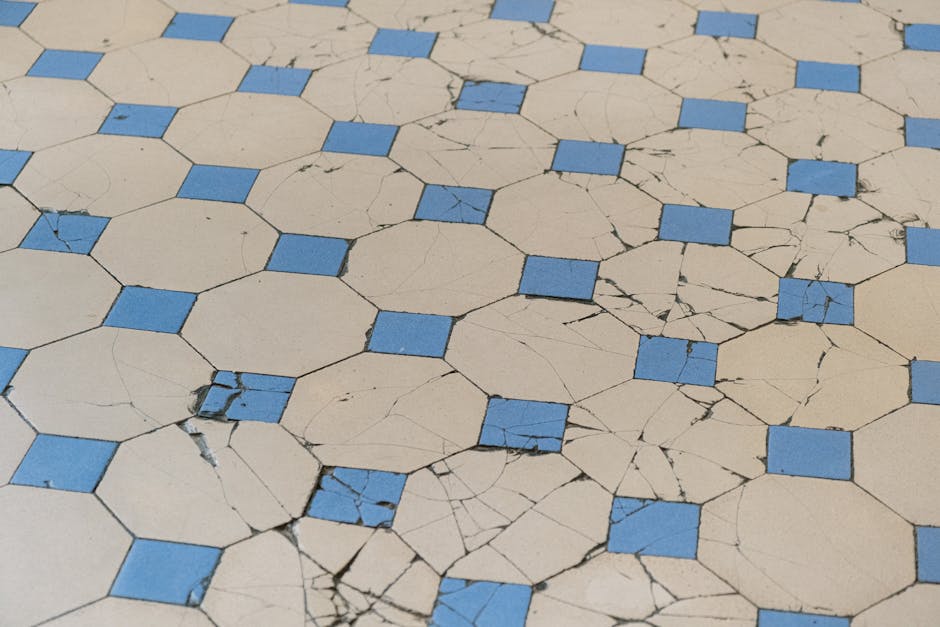
Pattern recognition mosaic tiles provide a rich environment for cognitive growth. At a young age, children begin to understand the world through sensory experiences, and mosaic tiles offer a tangible and visually stimulating way to explore patterns, shapes, and colors. Engaging with these tiles encourages visual discrimination, teaching children to differentiate between subtle variations in shapes and arrangements. This skill is fundamental for reading readiness and mathematical comprehension.
Furthermore, arranging mosaic tiles to replicate or create patterns strengthens problem-solving capabilities. Children learn to analyze the target design, plan their approach, and execute their vision. This process not only enhances their spatial reasoning but also builds resilience as they experiment and adjust their strategies to achieve their desired outcome. The hands-on nature of mosaic tiles also improves fine motor skills, hand-eye coordination, and dexterity as children manipulate the tiles.
The open-ended nature of mosaic tiles allows for creative exploration, allowing children to express themselves freely. They can create abstract designs, represent objects from their surroundings, or simply explore the possibilities of color and form. This freedom of expression fosters imagination and builds confidence in their artistic abilities, creating a well rounded learning experience.
Expert Safety Tips for Mosaic Tile Play

While pattern recognition mosaic tiles offer numerous developmental benefits, safety is paramount. Always supervise children during play, especially younger children who may be tempted to put the small tiles in their mouths. Choosing age-appropriate tiles is crucial – opt for larger tiles with rounded edges for toddlers and preschoolers to minimize choking hazards.
Inspect the tiles regularly for any signs of damage, such as cracks or splinters. Replace any damaged tiles immediately to prevent injuries. Ensure that the play surface is clean and dry to avoid slips or falls. Store the mosaic tiles in a secure container when not in use to prevent accidental scattering and potential hazards. By following these safety guidelines, you can create a safe and enriching play environment for your child.
Activity Ideas to Maximize Learning
To get the most out of your pattern recognition mosaic tiles, try incorporating structured activities. Start with simple pattern matching exercises, where you provide a completed pattern and ask your child to replicate it. Gradually increase the complexity of the patterns as their skills improve. Introduce symmetry by asking them to create symmetrical designs on either side of a central line.
Use the mosaic tiles to teach math concepts such as counting, addition, and subtraction. For instance, you can ask your child to create a pattern with a specific number of tiles or combine two different patterns and count the total number of tiles. Engage their storytelling abilities by asking them to create a mosaic picture that tells a story. Encourage them to describe their creation and explain the narrative behind the design.
For younger children, simply allowing them to freely explore the tiles and create their own designs can be highly beneficial. The key is to encourage experimentation, creativity, and problem-solving while providing a supportive and engaging environment.
Real-World Experience
Many parents and educators have observed remarkable improvements in children’s cognitive abilities and fine motor skills through the use of pattern recognition mosaic tiles. One parent shared, “My son, who struggled with recognizing shapes, became noticeably more confident after playing with mosaic tiles for just a few weeks. His attention span also improved, and he now enjoys problem-solving activities.” This anecdote highlights the tangible impact of mosaic tiles on a child’s overall development.
Teachers have also found mosaic tiles to be a valuable addition to their classrooms, using them to reinforce mathematical concepts, improve visual perception, and foster creativity. By incorporating mosaic tiles into their lesson plans, educators can create a more engaging and interactive learning experience for their students.
Frequently Asked Questions
Q: At what age can children start playing with pattern recognition mosaic tiles?
A: It depends on the size and type of tiles. Larger tiles, designed for toddlers, can be introduced around 18 months, while smaller tiles are more suitable for children ages 3 and up.
Q: Are pattern recognition mosaic tiles only for educational purposes?
A: While they are excellent educational tools, mosaic tiles can also be used for pure creative expression and fun. They offer a versatile platform for children to explore their imagination and artistic abilities.
Q: How do I clean and maintain mosaic tiles?
A: Most mosaic tiles can be easily cleaned with mild soap and water. Avoid using harsh chemicals or abrasive cleaners, which could damage the tiles. Ensure that the tiles are completely dry before storing them to prevent mold growth.