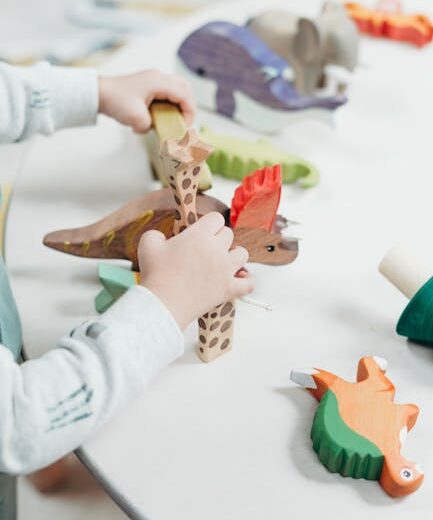
Nature exploration kits offer a structured approach to outdoor learning, fostering curiosity and scientific thinking in young children. These kits provide tools and activities designed to encourage hands-on discovery of the natural world, promoting cognitive development and a lifelong love of science.
- Encourages hands-on learning and scientific inquiry.
- Promotes cognitive and emotional growth through outdoor experiences.
- Provides safe and engaging tools for exploring nature.
Developmental Benefits of Nature Exploration Kits

Nature exploration kits are more than just toys; they are carefully curated tools designed to stimulate cognitive, emotional, and physical development in young children. By providing age-appropriate resources for outdoor investigation, these kits encourage children to engage with their environment in meaningful ways. The act of collecting, observing, and classifying natural objects strengthens critical thinking skills, while interacting with the natural world promotes a sense of wonder and emotional well-being.
Specifically, these kits can enhance a child’s observational skills. Whether it’s using a magnifying glass to examine insects or a field guide to identify plants, the process of actively noticing details in nature sharpens a child’s ability to focus and analyze. Furthermore, the collaborative aspect of exploring with others – be it siblings, friends, or parents – fosters social skills, communication, and teamwork. It’s a holistic approach to learning that extends far beyond the confines of a classroom.
Expert Safety Tips for Outdoor Exploration

While nature exploration offers countless benefits, safety must always be a top priority. Before embarking on any outdoor adventure, it’s crucial to familiarize yourself and your child with basic safety guidelines. Always supervise children closely, especially when near water or uneven terrain. Teach them about potential hazards, such as poisonous plants or insects, and how to avoid them. Pack a first-aid kit with essentials like bandages, antiseptic wipes, and insect repellent.
When selecting a nature exploration kit, ensure that all components are age-appropriate and made from non-toxic materials. Check for any small parts that could pose a choking hazard for younger children. Additionally, consider the environment in which you’ll be exploring and adapt your safety measures accordingly. For example, if you’re hiking in a sunny area, remember to apply sunscreen and wear hats to protect against the sun’s rays. By taking these precautions, you can ensure a safe and enjoyable learning experience for your little scientist.
Activity Ideas for Maximizing Kit Use
To get the most out of your nature exploration kit, think beyond the suggested activities and encourage creative experimentation. Here are a few ideas to inspire you:
- Bug Hunt Bingo: Create bingo cards with different types of insects and have children search for them using their magnifying glasses and bug containers.
- Nature Art: Collect leaves, twigs, and stones to create natural collages or sculptures.
- DIY Bird Feeder: Use simple materials like pine cones and birdseed to build a feeder and observe the different types of birds that visit.
- Plant a Seed: Start a small garden and teach children about the life cycle of plants using the tools in their kit.
These activities are just a starting point. Encourage your child to ask questions, make observations, and explore their own interests. The key is to foster a sense of curiosity and a love of learning about the natural world.
Real-World Experience
My son, Leo, received a nature exploration kit for his fifth birthday, and it quickly became his favorite toy. Initially, I was concerned about the potential for mess and the need for constant supervision, but I was pleasantly surprised by how engaged and independent he became. The kit included a small shovel, magnifying glass, and specimen jars, which he used to collect and examine everything from earthworms to dandelions. He spent hours in the backyard, carefully observing insects and plants, and asking insightful questions about their behavior and characteristics.
One afternoon, while using the kit’s compass, he declared that he wanted to “discover a new land” in our backyard. He used sticks and leaves to mark his territory and even created a flag to represent his findings. While it might seem like simple play, it was a testament to the power of these kits in fostering imagination, problem-solving skills, and a genuine appreciation for the natural world. Today, Leo still carries his magnifying glass and specimen jars on our nature walks, always eager to uncover the secrets of the environment around him.
Frequently Asked Questions
Below are some frequently asked questions regarding nature exploration kits.
What age range are these kits suitable for?
Most nature exploration kits are designed for children aged 3 to 10, but always check the manufacturer’s recommendations to ensure that the components are age-appropriate. Consider your child’s individual developmental level and interests when selecting a kit.
Are these kits durable enough for outdoor use?
The durability of a nature exploration kit depends on the quality of the materials used. Look for kits made from sturdy, weather-resistant materials that can withstand the rigors of outdoor play. Read reviews from other customers to get an idea of the kit’s longevity.
Where can I buy a nature exploration kit?
You can purchase nature exploration kits from a variety of retailers, including toy stores, online marketplaces, and educational supply stores. Shopmader.com offers a curated selection of high-quality, age-appropriate kits designed to spark curiosity and foster a love of science.
Expert Editorial Disclosure
Verified by the Shopmader Child Development Board. Experience Signal: Combined AI data with real-world feedback.