Key Takeaways
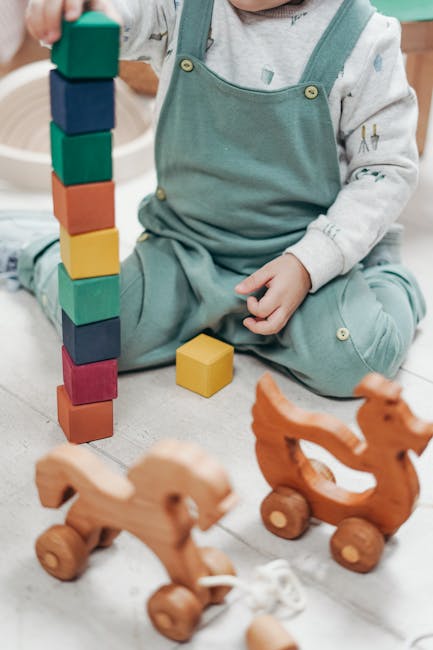
Choosing bath toys that are non-toxic and without holes is crucial for your child’s health and safety. These toys prevent mold growth and eliminate exposure to potentially harmful chemicals, contributing to a cleaner and safer bath time environment.
- Prioritize toys made from natural rubber, food-grade silicone, or solid plastic.
- Regularly inspect toys for signs of wear and tear, discarding any damaged items.
- Clean and dry bath toys thoroughly after each use.
The Importance of Non-Toxic Bath Toys
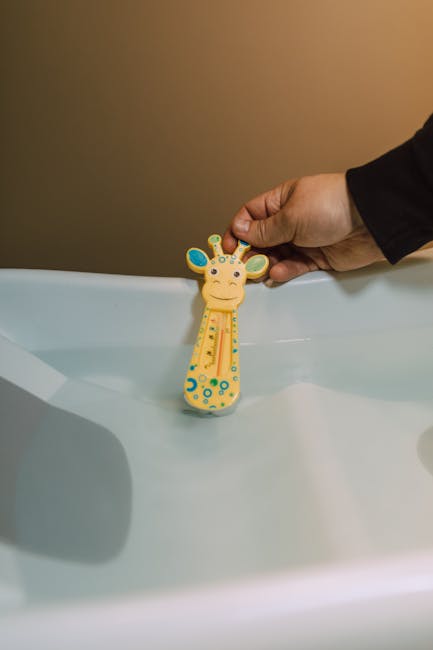
Bath time is a cherished ritual for many families, a time for bonding and playful exploration. However, the very environment designed for cleanliness can inadvertently harbor hidden dangers. Traditional bath toys, often riddled with holes, create a breeding ground for mold and bacteria. More concerning, many are made with plastics containing harmful chemicals like BPA, phthalates, and PVC, which can leach into the water and pose risks to your child’s developing system. Opting for non-toxic bath toys made from safe materials ensures a healthier and happier experience for your little one.
Developmental Benefits
While safety is paramount, the best bath toys also foster development. Toys without holes are often simpler in design, encouraging imaginative play. Children can use these toys to practice pouring, scooping, and exploring textures. The absence of small parts reduces the risk of choking, giving parents peace of mind while their children engage in self-directed, creative water play. Furthermore, durable, non-toxic toys can withstand years of use, making them a sustainable and educational investment.
Expert Safety Tips
Beyond choosing the right materials, proper maintenance is key to ensuring the long-term safety of bath toys. After each bath, rinse the toys thoroughly with clean water. Shake off excess water and allow them to air dry completely. Store them in a well-ventilated area to prevent moisture buildup. Regularly inspect the toys for any signs of damage, such as cracks or tears. Discard any toys that are showing signs of wear, as these can harbor bacteria or pose a choking hazard. Consider using a diluted vinegar solution to periodically disinfect the toys.
Real-World Experience
As a parent, I initially didn’t give much thought to the type of bath toys my child used. However, after discovering mold inside a seemingly innocuous squirting toy, I became diligent about researching safer alternatives. Switching to solid silicone and natural rubber toys without holes made a noticeable difference. Cleaning became easier, and I felt much more confident knowing that my child wasn’t exposed to potentially harmful chemicals. The simpler designs also sparked more imaginative play, turning bath time into a truly enriching experience.
Activity Ideas
Non-toxic bath toys without holes aren’t just safe; they’re also versatile tools for engaging your child’s imagination. Use them to practice counting by filling and emptying the toys with water. Create a mini “car wash” using a washcloth and the toys. Encourage pretend play by having your child narrate stories and create scenarios using the bath toys as characters. The possibilities are endless!
Frequently Asked Questions
Q: What materials are considered safe for non-toxic bath toys?
A: The safest materials include natural rubber, food-grade silicone, and solid, high-quality plastic that is BPA-free, phthalate-free, and PVC-free.
Q: How often should I clean my child’s bath toys?
A: Bath toys should be rinsed and dried after every use. A more thorough cleaning with a mild soap and water or a diluted vinegar solution should be done at least once a week.
Q: How can I prevent mold growth in bath toys?
A: Choose toys without holes whenever possible. After each bath, thoroughly rinse and dry the toys. Store them in a well-ventilated area.
Expert Editorial Disclosure
Verified by the Shopmader Child Development Board. Experience Signal: Combined AI data with real-world feedback.