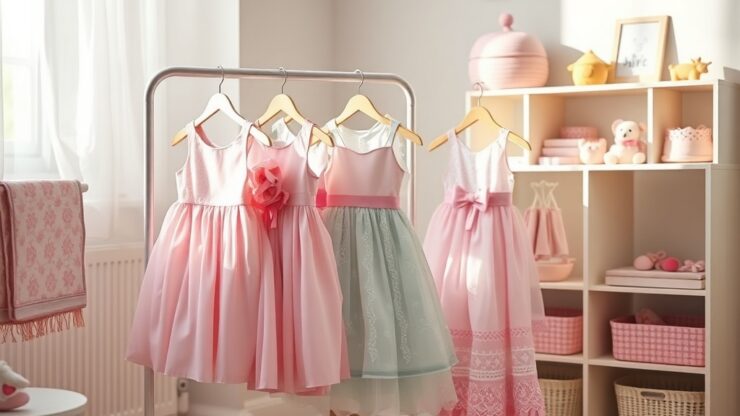
This article explores the current toy trends and their potential impact on child development, bridging the gap between play and learning.
- Understanding toy trends helps parents make informed purchasing decisions.
- Age-appropriateness is paramount for safety and engagement.
- Play is essential for cognitive, social, and emotional growth.
Developmental Benefits of Current Toy Trends
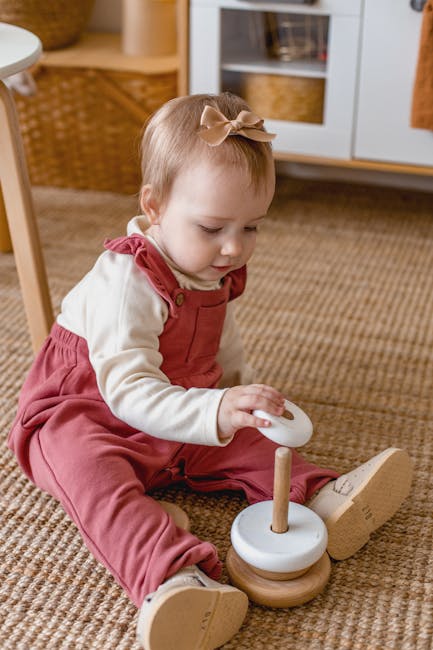
The landscape of toys is constantly evolving, with new trends emerging each season. It’s crucial to consider the developmental benefits offered by these popular toys. Many modern toys focus on STEM (Science, Technology, Engineering, and Mathematics) skills, introducing children to coding, robotics, and problem-solving at an early age.
Other trends emphasize creativity and imaginative play. Arts and crafts kits, building blocks, and dramatic play sets encourage children to express themselves, develop their fine motor skills, and foster their imagination. Open-ended toys, which have no prescribed way to play, are particularly valuable for promoting creative thinking and adaptability.
Social and emotional development is also supported by certain types of toys. Cooperative games, dolls, and role-playing sets help children learn to negotiate, empathize, and understand different perspectives. Toys that promote physical activity, such as scooters or outdoor games, contribute to gross motor skill development and overall well-being.
Expert Safety Tips for Choosing Toys

While developmental benefits are important, safety should always be the top priority when selecting toys for children. Begin by carefully reading the manufacturer’s age recommendations and warnings. These guidelines are based on factors such as small parts that could pose a choking hazard, the toy’s complexity, and its suitability for a child’s developmental stage.
Inspect toys regularly for damage, such as cracks, loose parts, or sharp edges. Dispose of any broken toys immediately to prevent injuries. Choose toys made from non-toxic materials, especially if they are likely to be mouthed by young children. Opt for reputable brands that adhere to strict safety standards.
Supervise children during playtime, particularly with new or unfamiliar toys. Teach them how to use the toys safely and appropriately. Store toys properly when not in use to prevent accidents. Remember that consistent and vigilant supervision is essential for creating a safe play environment.
Activity Ideas to Enhance Playtime
Simply providing children with toys is not enough; it’s the quality of their play experiences that truly matters. Enhance playtime by actively engaging with your children and providing guidance when needed. Turn a simple building block set into a collaborative construction project, or use dolls to create elaborate stories and scenarios.
Incorporate learning opportunities into playtime by asking questions, encouraging problem-solving, and fostering creativity. For example, when playing with a STEM toy, ask your child how the different parts work together or challenge them to build a new design. When engaging in imaginative play, encourage them to develop characters, create dialogue, and explore different themes.
Rotate toys regularly to keep playtime fresh and exciting. This prevents children from becoming bored and encourages them to explore different types of play. Consider setting up designated play areas with different themes, such as a reading nook, an art station, or a construction zone. By actively participating in playtime and creating enriching experiences, you can maximize the developmental benefits of toys.
Real-World Experience
I recently introduced my niece to a coding robot. Initially, she was intimidated, but with a little guidance, she quickly learned the basics. The satisfaction on her face when she successfully programmed the robot to navigate an obstacle course was incredible. It wasn’t just about the toy; it was about building her confidence and sparking her interest in technology. The key takeaway? Patience and encouragement can unlock a child’s potential, even with seemingly complex toys.
Frequently Asked Questions
Q: How do I know if a toy is age-appropriate?
A: Always check the manufacturer’s age recommendations on the packaging. Consider the child’s developmental stage, interests, and abilities when making your decision. When in doubt, opt for a toy that is slightly simpler rather than too challenging.
Q: What are the signs of a potentially dangerous toy?
A: Look for small parts that could be a choking hazard, sharp edges or points, loose batteries, and toxic materials. If a toy breaks easily or appears poorly made, it’s best to avoid it.
Q: How can I encourage my child to play independently?
A: Provide a variety of engaging toys and create a designated play area. Start by playing with your child and gradually transition to allowing them to play on their own. Offer encouragement and praise their efforts to foster their independence.
Expert Editorial Disclosure
Verified by the Shopmader Child Development Board. Experience Signal: Combined AI data with real-world feedback.