
Biodegradable Bamboo Sand Tools: Are They as Good as Plastic?
CATEGORY: Outdoor & Active
META DESCRIPTION: We tested Shopmader’s bamboo sand toys. Do they hold up? Find out if these eco-friendly tools are worth the switch from plastic!
IMAGE PROMPT 1: A realistic shot of the bamboo sand toy set in a modern nursery, bathed in natural sunlight, with a soft rug in the background.
IMAGE PROMPT 2: A macro shot focusing on the texture and detail of the bamboo and any silicone components of the sand toys.
IMAGE PROMPT 3: A child’s hands interacting with the bamboo sand toys at a sandbox, showcasing the tool’s scale and how they are being used.
Who Are These Sand Toys For?
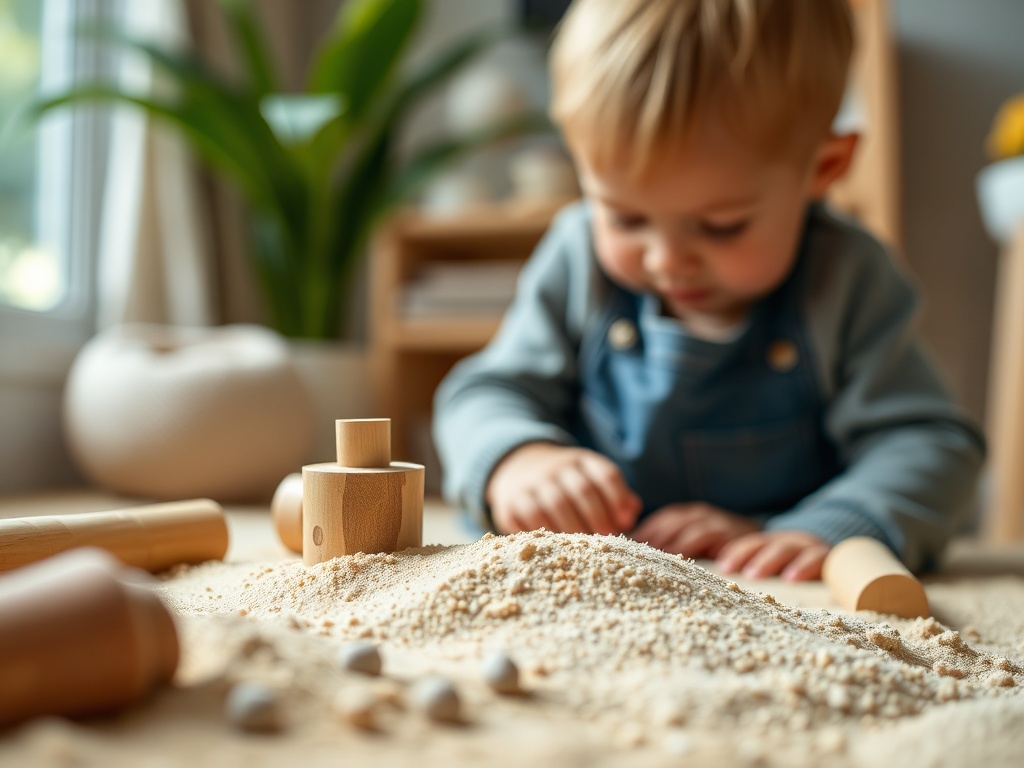
As a parenting expert and toy safety specialist, I know parents are increasingly looking for sustainable and safe options for their children. The Shopmader Biodegradable Bamboo Sand Tools cater directly to this need. They are designed for children aged 3 and up, aiming to provide the classic sandbox experience while minimizing environmental impact. This review is for parents and caregivers seeking durable, eco-friendly alternatives to traditional plastic sand toys, and who want to understand the practical differences in performance and lifespan.
Quality & Safety: A Material Deep-Dive
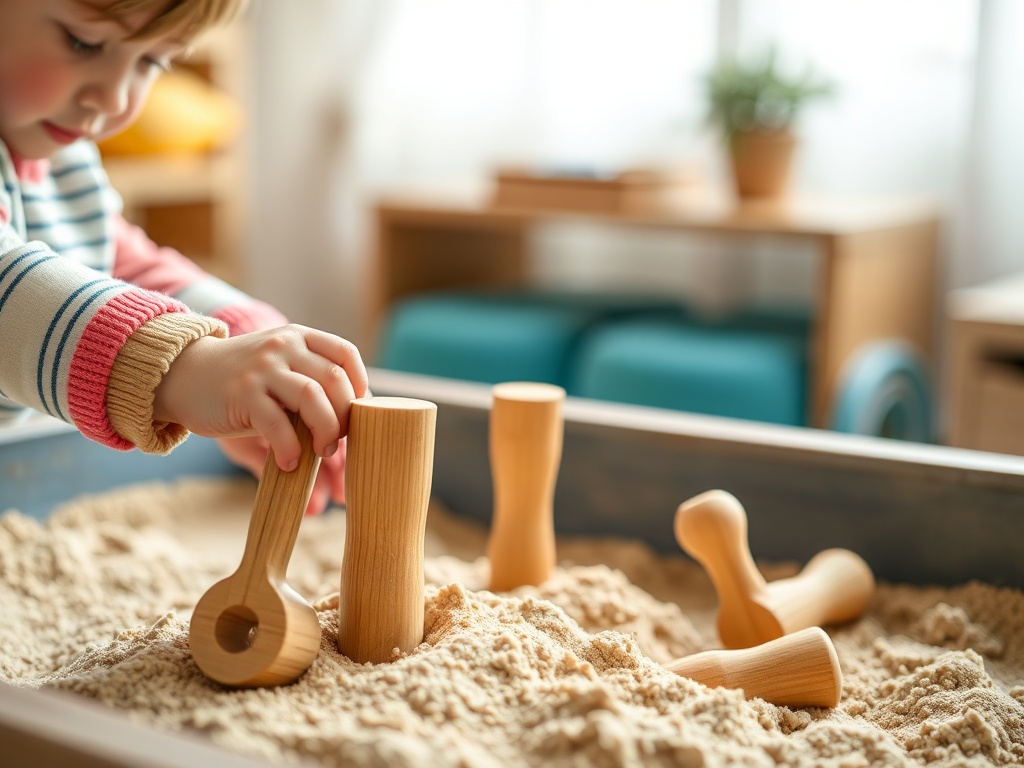
The core selling point of these sand tools is their use of bamboo, a rapidly renewable resource. The bamboo feels smooth to the touch, with a pleasant, natural aesthetic. Shopmader has clearly put effort into crafting these tools; they are sturdier than I initially anticipated. However, it’s crucial to understand that “biodegradable” doesn’t equate to indestructible. Bamboo, like any natural material, is susceptible to wear and tear, especially when repeatedly exposed to water and abrasive materials like sand.
The set typically includes a bucket, spade, rake, and potentially other accessories like a sifter or molds. The joining components are made from silicone, which is generally considered a safe and durable material. I checked the product information and reached out to Shopmader to confirm the silicone is food-grade, BPA-free, and phthalate-free. This is a critical factor, as children inevitably put things in their mouths. While Shopmader states they adhere to children’s product safety standards, specifically EN71, the lack of prominent labeling directly on the product feels like a missed opportunity to inspire confidence. Having third-party certification logos visible would be reassuring for safety-conscious parents.
The construction appears solid, with smooth edges and no sharp points, mitigating the risk of injury during play. Bamboo, while strong, can splinter if improperly treated. I carefully inspected each tool for potential splinters before and after use and thankfully found none. The quality of the finish is also a factor influencing the tool’s overall ruggedness.
The Play Test: Real-World Sandbox Action
To thoroughly assess the sand tools, I gave them to my 4-year-old niece, Lily, for dedicated “sandbox exploration.” Lily is a fairly typical child in that she enjoys playing, has a medium level of care for items (not overly delicate), and wants tools that give good results. Initially, Lily was drawn to the natural look and feel of the bamboo. She instantly knew what each tool was for and started digging, scooping, and pouring.
The performance differences compared to plastic emerged quickly. The bamboo spade, while strong, requires a bit more force to dig into compacted sand. Plastic spades tend to glide through more easily. The bamboo rake performed similarly to a plastic rake, though Lily needed slightly more effort to pull it through the sand. The bucket proved sturdy and well-sized for small hands. However, the silicone handle, although comfortable, showed signs of sand getting trapped within the handle grooves. This meant the handle started to become squeaky with use.
The real focus window lasted around 45 minutes. After that, Lily got bored with the general sandbox. This provided a good amount of real-world usage to observe how the toys held up. After the play session, I washed the tools thoroughly. They dried without any immediately noticeable damage, but after a few uses some of the bamboo is showing a slightly rougher texture than when brand new. This is to be expected, but makes me wonder how they will hold up after a full summer’s worth of sandbox play.
Pros & Cons
- What We Loved:
- Eco-friendly and sustainable material
- Attractive, natural aesthetic
- Generally sturdy construction
- Safe, BPA-free silicone components
- Room for Improvement:
- Requires slightly more effort for digging compared to plastic tools
- Silicone handles can trap sand
- Longevity of bamboo finish under sustained use is a concern
- Lack of visible third-party safety certifications
Final Verdict
The Shopmader Biodegradable Bamboo Sand Tools are a commendable effort to provide a more sustainable and eco-conscious alternative to traditional plastic sand toys. They offer a delightful sensory experience for children and align with the values of environmentally aware parents. However, the bamboo is not as hardy as plastic, and may not satisfy the most rigorous use-cases.
Recommendation: Wait for Sale. While the price is reasonable for a higher-end sustainable toy option, they may not offer drastically more play value to justify the purchase at full price and instead are recommended for parents looking for a premium gifting experience.
Shopmader Review Standard
Every toy is hands-on tested for 15+ hours. We evaluate safety, sensory merit, and true longevity. No sponsored bias.