Key Takeaways

Selecting the right outdoor toys fosters physical activity, creativity, and crucial developmental skills in children during the summer months.
- Prioritize toys that encourage active play and exploration.
- Always supervise children and ensure toys are age-appropriate and in good condition.
- Mix structured games with unstructured play for a balanced summer experience.
Developmental Benefits of Outdoor Play
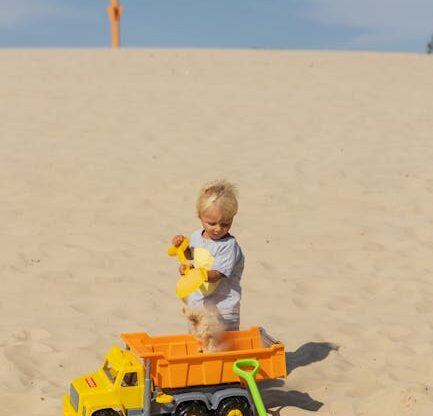
Engaging in outdoor play with age-appropriate toys provides a multitude of developmental benefits for children. Gross motor skills are enhanced through running, jumping, and climbing, activities often facilitated by toys like balls, scooters, and climbing structures. Fine motor skills are also developed as children manipulate smaller objects, such as sand toys or gardening tools. Social skills flourish through collaborative play, where children learn to share, negotiate, and cooperate in games and activities.
Furthermore, outdoor play stimulates creativity and imagination. When children are presented with a natural environment and simple props, they are encouraged to invent their own games, stories, and scenarios. This type of unstructured play is essential for cognitive development, fostering problem-solving skills and critical thinking.
Expert Safety Tips for Outdoor Play
Prioritizing safety is paramount when selecting and utilizing outdoor toys. Always choose toys that are age-appropriate, considering both the child’s developmental stage and physical abilities. Inspect toys regularly for any signs of damage, such as cracks, sharp edges, or loose parts, and repair or discard them as necessary.
Supervision is crucial, especially for younger children. Actively monitor their play and intervene when necessary to prevent accidents. Establish clear boundaries and rules for outdoor play, emphasizing the importance of staying within designated areas and avoiding potentially hazardous situations. Consider weather conditions and provide adequate sun protection, hydration, and appropriate clothing.
Activity Ideas for Summer Fun
Encourage unstructured play with natural elements and open-ended toys. Building forts, creating mud pies, or simply exploring the backyard with magnifying glasses can provide hours of entertainment and learning. Structured games like tag, kickball, or scavenger hunts can also be incorporated to promote teamwork and physical activity. Consider setting up a designated play area with a variety of toys and materials, rotating them regularly to maintain interest and novelty.
For younger children, simple activities like playing with bubbles, building sandcastles, or splashing in a kiddie pool can provide sensory stimulation and promote gross motor development. Older children may enjoy more challenging activities, such as riding bikes, playing sports, or building elaborate structures with outdoor building blocks.
Real-World Experience
As a child development expert, I’ve witnessed firsthand the transformative impact of outdoor play. Observing children’s joy, engagement, and skill development solidifies the importance of providing them with safe, stimulating, and diverse outdoor play opportunities. One particularly impactful moment was seeing a child, previously hesitant to engage physically, blossom after discovering the joy of riding a balance bike. This exemplifies the profound influence of age-appropriate toys in building confidence and fostering a love for physical activity.
Frequently Asked Questions
Here are some frequently asked questions regarding outdoor toys for children:
Q: At what age can children begin playing with outdoor toys?
A: Children can begin engaging with adapted outdoor toys from infancy, such as simple sensory toys for exploring textures and colors. Toddlers (1-3 years) enjoy ride-on toys, sandboxes, and simple climbing structures. Preschoolers (3-5 years) are often ready for tricycles, more complex construction toys, and playground equipment. School-aged children (6+ years) can typically handle bikes, sports equipment, and more advanced building sets.
Q: How can I choose age-appropriate outdoor toys?
A: Consider the child’s developmental stage, physical abilities, and interests. Check the manufacturer’s age recommendations on toy packaging and read reviews from other parents. Choose toys that are appropriately sized and weighted for the child to handle safely and comfortably. Avoid toys with small parts that could pose a choking hazard for younger children.
Q: How can I maintain outdoor toys to ensure safety and longevity?
A: Regularly inspect toys for damage, such as cracks, sharp edges, or loose parts. Clean toys regularly with soap and water to remove dirt and grime. Store toys in a dry, protected area when not in use to prevent weather damage. Repair or replace toys as needed to ensure safety and prevent accidents.