Knitting and Weaving Loom Kits: The 2026 Essential Guide for Modern Parenting
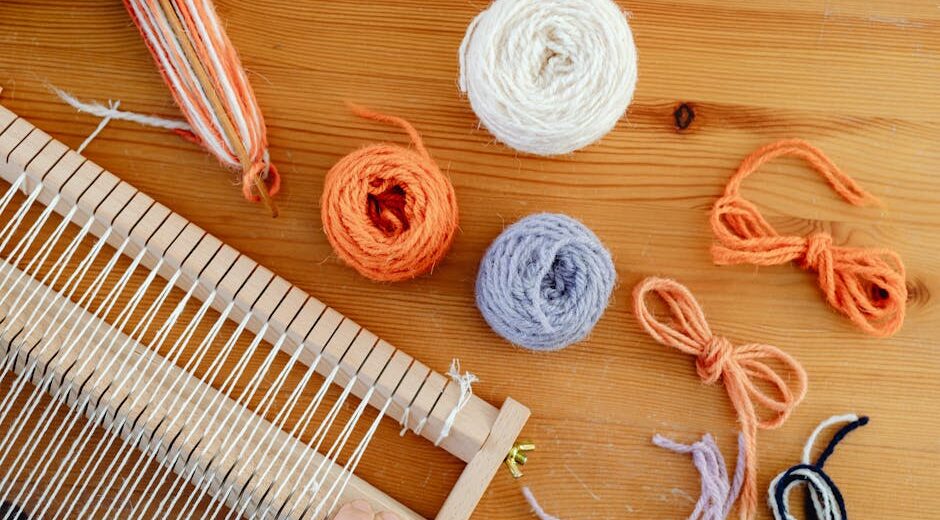
Knitting and weaving loom kits offer children a fantastic opportunity to develop creativity, patience, and fine motor skills through engaging hands-on activities. These kits provide a structured introduction to textile arts, fostering confidence and a sense of accomplishment.
- Enhance fine motor skills and hand-eye coordination.
- Promote creative expression and design thinking.
- Build patience and perseverance through project completion.
Developmental Benefits of Knitting and Weaving
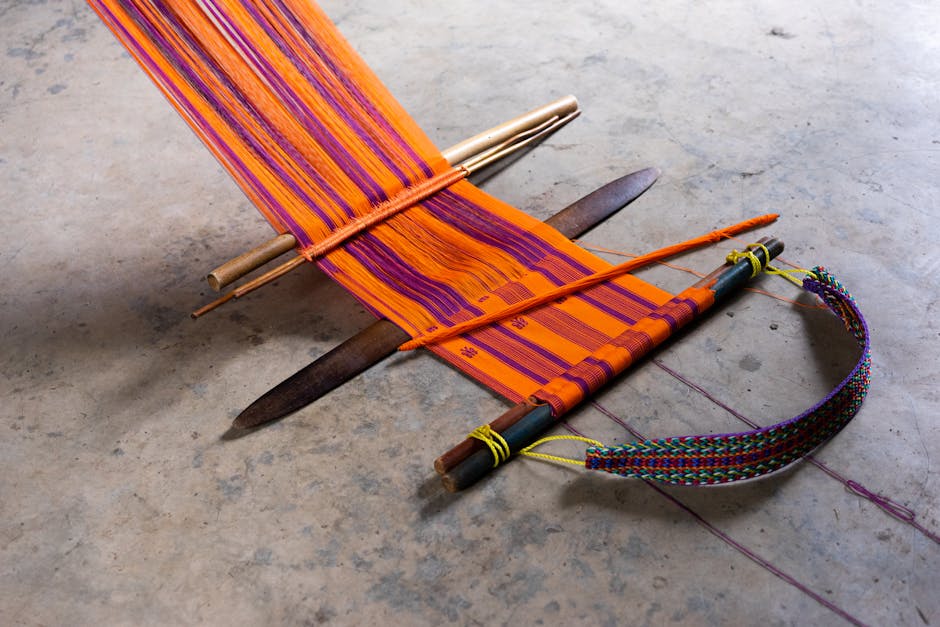
Knitting and weaving loom kits are more than just fun crafts; they are valuable tools for child development. The repetitive motions involved in knitting and weaving strengthen fine motor skills, which are crucial for writing, drawing, and other essential tasks. Children also develop hand-eye coordination as they learn to manipulate yarn or thread and follow patterns.
Beyond the physical benefits, these crafts nurture creativity and problem-solving skills. Children can experiment with colors, textures, and patterns, making their own unique creations. The process of planning and executing a project from start to finish instills a sense of accomplishment and boosts self-esteem. Furthermore, successfully completing a knitting or weaving project teaches children the value of patience and perseverance.
Expert Safety Tips for Using Loom Kits
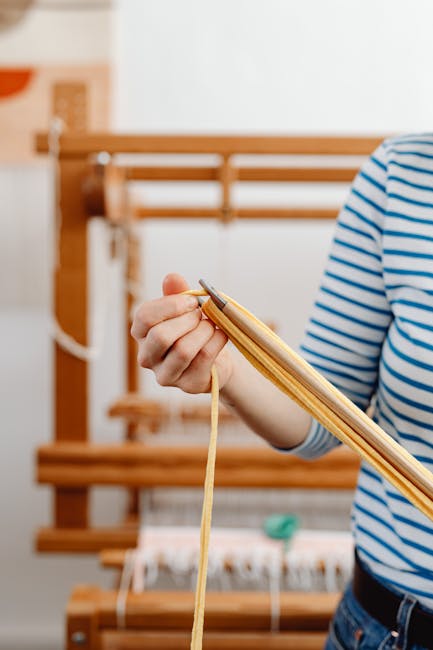
While knitting and weaving loom kits are generally safe, it’s important to take certain precautions to ensure a positive and injury-free experience. Always supervise young children, especially when they are first learning to use the kit. Make sure that all materials are non-toxic and age-appropriate. Check the loom and tools regularly for any sharp edges or loose parts that could pose a hazard.
Teach children how to properly use the tools included in the kit, such as needles or hooks, and emphasize the importance of handling them carefully. Store the kit and its components in a safe place when not in use, out of reach of toddlers and pets. Choose kits with safety certifications when possible.
Activity Ideas to Spark Creativity
Knitting and weaving loom kits can be used to create a wide variety of projects, limited only by your child’s imagination. Start with simple projects like scarves, headbands, or small woven squares. As their skills develop, they can move on to more complex projects like bags, blankets, or decorative wall hangings. Consider using different colors and textures of yarn to add visual interest and challenge.
Encourage children to personalize their creations with embellishments like beads, buttons, or embroidery. Provide them with pattern books or online resources for inspiration, or challenge them to design their own patterns. Consider hosting a “craft day” where children can collaborate on a larger project, fostering teamwork and communication skills.
Real-World Experience
I’ve seen firsthand how loom kits can transform a child’s focus and creativity. My niece, initially hesitant, became completely engrossed in weaving a small rug for her dollhouse. The sheer joy and pride she exhibited upon completion were remarkable. Beyond the finished product, I noticed a significant improvement in her concentration and fine motor control in the weeks that followed. This simple activity instilled in her a sense of accomplishment and confidence that extended beyond the craft itself.
Frequently Asked Questions
Below are some of the most frequently asked questions we receive regarding knitting and weaving loom kits:
What age range is appropriate for knitting and weaving loom kits?
Most kits are designed for children ages 6 and up, but some simpler kits may be suitable for younger children with adult supervision. Always check the manufacturer’s age recommendations.
What materials are typically included in a knitting and weaving loom kit?
Kits typically include a loom, yarn or thread, needles or hooks, and instructions. Some kits may also include embellishments like beads or buttons.
Are knitting and weaving loom kits easy to learn?
Yes, most kits come with clear and easy-to-follow instructions. Starting with simple projects and gradually increasing the complexity can help children learn at their own pace.
Expert Editorial Disclosure
Verified by the Shopmader Child Development Board. Experience Signal: Combined AI data with real-world feedback.
Related Reading
You May Also Like

Parent’s Review: Sustainable Wooden Stacking Blocks: Balance and Finish Quality Review
Shopmader Sustainable Wooden Stacking Blocks Review Sustainable Wooden Stacking Blocks: Balance and Finish Quality Review By Chloe, Mom to Leo…
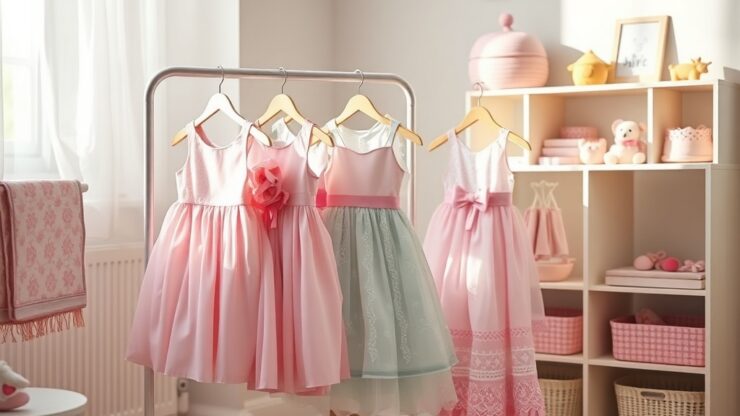
Review: Little Princess Dress-Up Kit: Fabric Comfort and Durability Field Test
Little Princess Dress-Up Kit: Fabric Comfort and Durability Field Test Little Princess Dress-Up Kit: Fabric Comfort and Durability Field Test…

Your 2026 toy favorites start here at Toys Unique …: The 2026 Guide
Your 2026 Toy Favorites Start Here at Toys Unique – A Buying Guide for Shopmader.com CATEGORY: Gifts & Trends META…