Key Takeaways
Washable finger paints are an invaluable tool for fostering creativity and sensory exploration in toddlers, offering a safe and easily cleaned medium for artistic expression.
- Promotes fine motor skill development.
- Encourages creative thinking and imagination.
- Offers a safe and washable medium for play.
Developmental Benefits of Finger Painting
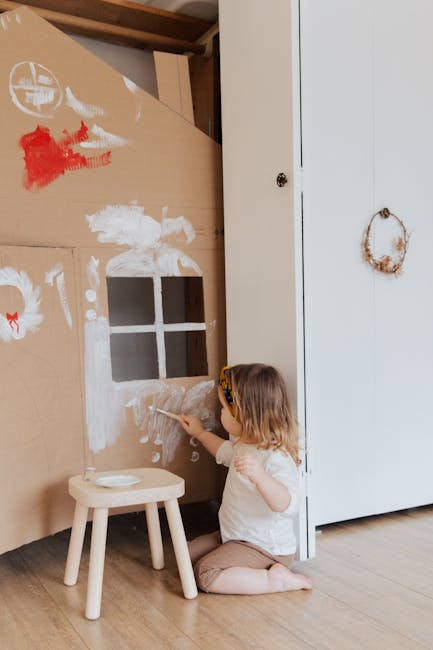
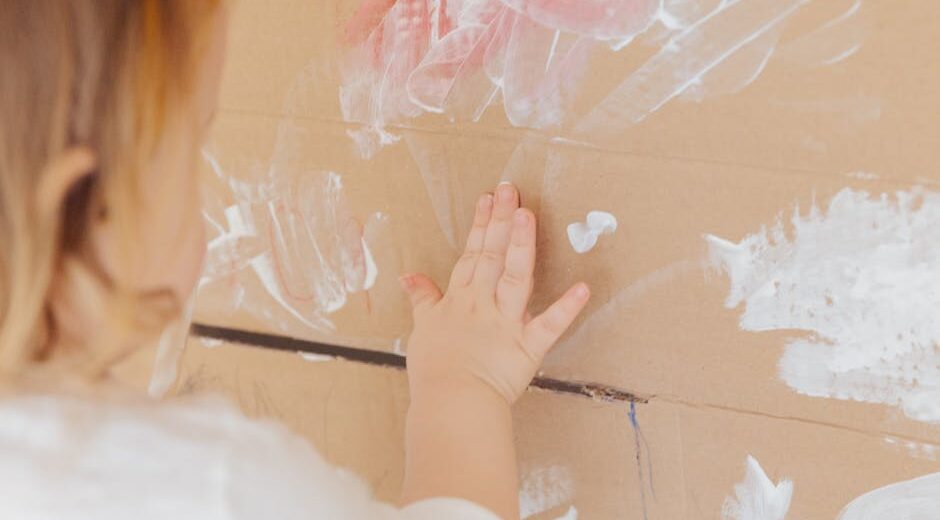
Finger painting offers a wealth of developmental benefits for toddlers. The tactile experience of squishing paint between their fingers stimulates sensory exploration, helping them learn about different textures and temperatures. This sensory input is crucial for brain development and integration. Furthermore, finger painting encourages the development of fine motor skills as toddlers experiment with different hand movements and techniques to create various patterns and designs. The act of grasping, swirling, and spreading the paint strengthens hand muscles and improves hand-eye coordination.
Beyond the physical benefits, finger painting fosters creativity and self-expression. It provides a safe and non-judgmental outlet for toddlers to express their emotions and ideas. They can explore colors, shapes, and patterns without the pressure of achieving a specific outcome. This freedom can boost their confidence and encourage them to take risks and experiment.
Expert Safety Tips for Finger Painting with Toddlers
While finger painting is a fun and beneficial activity, it’s crucial to prioritize safety. Only use paints specifically labeled as “non-toxic” and “washable” for toddlers. Always supervise children closely during painting activities to ensure they don’t ingest the paint. Avoid paints that contain harsh chemicals, heavy metals, or strong fragrances. Opt for paints made with natural ingredients whenever possible.
Before starting, protect the painting area with a waterproof surface covering, such as a plastic tablecloth or newspaper. Dress your toddler in old clothes or a smock to prevent staining. Have wet wipes or a damp cloth readily available for quick cleanup. After painting, thoroughly wash your toddler’s hands and any exposed skin with soap and water.
Activity Ideas with Washable Finger Paints
Finger painting can be much more than just smearing paint on paper. Here are a few activity ideas to spark your toddler’s creativity:
- Texture Exploration: Add different materials to the paint, such as sand, rice, or small beads, to create textured finger paints.
- Nature Prints: Use leaves, flowers, or twigs to create prints on paper with finger paint.
- Body Tracing: Have your toddler lie down on a large sheet of paper and trace their body with finger paint.
- Color Mixing: Introduce primary colors and encourage your toddler to mix them to create new colors.
- Stencils: Use stencils to create specific shapes and designs with finger paint.
Real-World Experience
As a parent, I’ve witnessed firsthand the joy and developmental strides that finger painting brings to my own children. One afternoon, my son, initially hesitant to get his hands dirty, discovered the vibrant hues of red and blue. After some coaxing, he tentatively dipped his fingers into the paint, his eyes widening with delight. Soon, he was swirling and smearing the colors across a large sheet of paper, creating a chaotic yet beautiful masterpiece. It wasn’t just about the picture; it was about the uninhibited joy of exploration and the sense of accomplishment in creating something entirely his own. The cleanup was a breeze thanks to the washable formula, and the memories, indelibly etched.
Frequently Asked Questions
What age is appropriate for finger painting?
Most toddlers are ready for finger painting around 12 months, but always under close supervision. Ensure they are not putting paint in their mouths.
How do I clean up finger paint effectively?
Washable finger paints are designed to easily wash off skin and surfaces with soap and water. A damp cloth or wet wipes are also helpful for quick cleanups.
Are all finger paints safe for toddlers?
No. Always choose finger paints that are labeled as non-toxic and specifically designed for toddlers. Check for certifications from reputable organizations.